HUB 02
EV Cables, Adapters & Connectors
The parts that let your car charge across the NACS/J1772 divide, plus portable EVSE you can take anywhere — chosen for the safety listing, not just the price.
We earn a commission when you buy through our Amazon links, at no extra cost to you. It never affects our rankings, and we say so when the cheaper product is the better buy. How this works.
The connector transition is the messiest thing in EV charging right now. NACS - the plug Tesla used, now standardized as SAE J3400 - is becoming the default on new cars, while the installed base of home and public chargers is still overwhelmingly J1772. An adapter bridges the gap in whichever direction you need. Because it carries the full charging current, the safety listing matters more than the price. This hub also covers portable EVSE - the take-it-anywhere charger that is often the smarter home buy.
What to buy first - figure out the direction
The single thing to get right is which way the adapter points:
- You have a J1772 car and want to use a Tesla-style (NACS) charger - you need a NACS-to-J1772 adapter.
- You have a NACS-port car (a Tesla, or a 2026+ Hyundai, Kia, Rivian and others) and want to use the huge J1772 network - you need a J1772-to-NACS adapter.
New to all of this? Start with the plain-English connector types explainer or the focused J1772 vs NACS comparison, which cover which cars use which plug and why the standard is shifting. Not sure which plug your car has? See how to tell if your EV has NACS or J1772, and whether NACS adapters work at Superchargers (the honest AC-versus-DC answer). To choose between the popular units, compare Lectron vs EVDANCE for NACS-to-J1772 and LENZ vs FOCSPROD for J1772-to-NACS. Looking for a charger you can travel with? See our best portable EV chargers.
How the category divides
Beyond direction, adapters split on current rating (most home circuits never exceed 48 amps, so an 80-amp-rated adapter has ample headroom) and on whether they are AC-only. Every passive home adapter is for AC charging - none of them unlocks DC fast charging, which is handled by the car and the network, not a plug adapter. Portable chargers split on Level 1 versus Level 2, and on whether the amperage is adjustable for weaker circuits.
What decides the price
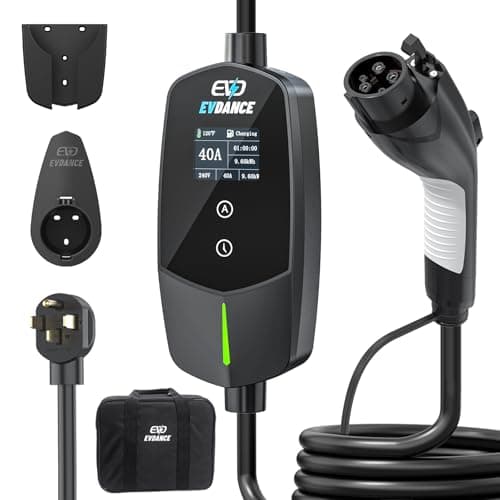
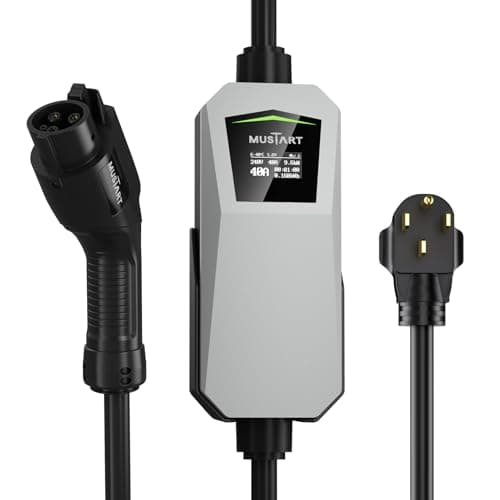
For adapters, two things: the safety listing and the build. Look for an explicit UL 2251 or UL 2252 listing - that is the standard written for connectors carrying EV charging current, and it is the single most important spec on an adapter. A snug, rattle-free fit and a solid housing are the rest. Prices are low across the board, so there is no reason to buy the uncertified bargain. For portables, you pay for a longer cable, a sturdier weatherproof build, adjustable current, and a delay timer for off-peak charging.
The mistake buyers make
Buying the wrong direction, or assuming an adapter enables Supercharging. Read the two bullets above twice before you order - the adapters look similar and point opposite ways. And treat any adapter with no stated UL listing as a pass, no matter how cheap. If you are going the portable route instead of a wall unit, do not skimp on the receptacle it plugs into: see the NEMA 14-50 outlet guide, and the best NEMA 14-50 outlets we would buy for it.
The rest of this section is the hardware that surrounds the charger rather than the charger itself. If the plug and 25 feet of cable currently live on the garage floor, the holsters and organizers fix that for very little money. If the cable genuinely will not reach, the EVSE extension cables are the only safe way to add length - never a household extension cord. And if the problem is that there is no wall where the car parks at all, the EV charger pedestals and stands are the freestanding posts that put a wall-mount charger out in a driveway, ranked on post height, base anchoring, weather cover and whether your charger will actually bolt to one.
One more adapter problem lives at the other end of the charger: the wall. Level 2 chargers are almost all sold with a NEMA 14-50 plug, but the 240-volt outlet most houses already have is the dryer's - a 14-30 or an older 10-30 - or a 6-50 in a workshop. The EV charger outlet adapters are the cords that bridge that gap for about twenty dollars, ranked on plug type, safety listing, conductor gauge and length - along with the 24-amp setting you must dial into the charger first, because no adapter changes the breaker it plugs into.
Living with an adapter
Once you own one, the question changes from which to buy to whether it is behaving. Every contact turns a little current into heat, and an adapter adds a pair of them - do NACS adapters overheat sets out the line between normal warmth and a failing joint, whether it is safe to leave one attached to the cable between charges, and the three specs that decide the answer.
Start here
The Best NACS to J1772 Adapters
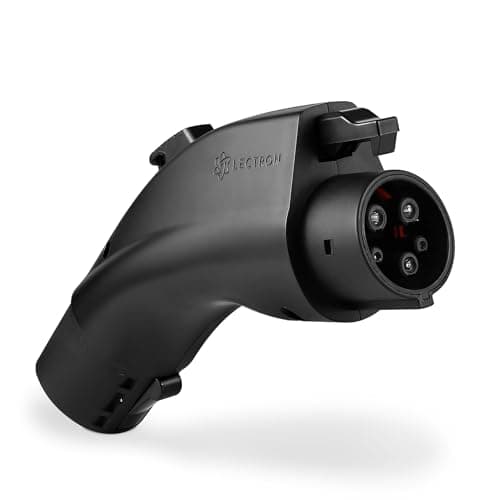
For a J1772 car charging from a NACS (Tesla-style) charger: the four adapters we would buy, ranked on the safety listing and current rating.
Read the guide →
Everything in this hub
All of Cables & Adapters
Roundup
The Best NACS to J1772 Adapters
For a J1772 car charging from a NACS (Tesla-style) charger: the four adapters we would buy, ranked on the safety listing and current rating.
Top pick: Lectron NACS → J1772 Adapter · 4 ranked, 4 with live prices
$127.78Amazon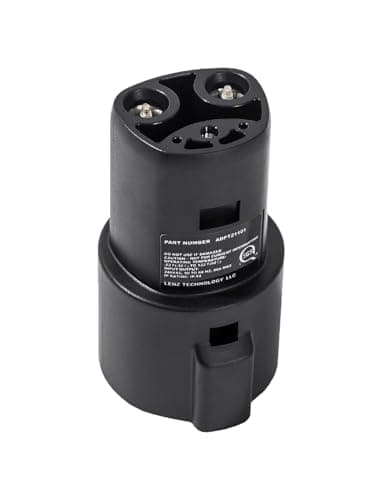
Roundup
The Best J1772 to NACS Adapters
For a Tesla or NACS-port car using J1772 chargers: the four UL-listed adapters we would trust, ranked on the safety standard and price.
Top pick: LENZ J1772 → NACS Adapter · 4 ranked, 4 with live prices
$29.99Amazon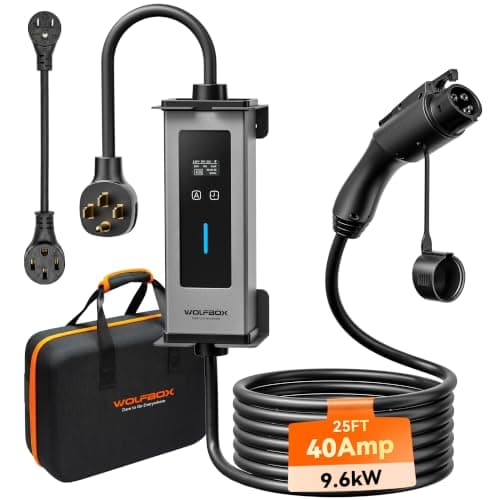
Roundup
The Best Portable EV Chargers
Take-it-anywhere Level 2 (and one Level 1 backup) chargers ranked with live prices - the category most buying guides ignore.
Top pick: WOLFBOX 40A Portable (Level 1/2) · 4 ranked, 3 with live prices
$299.99Amazon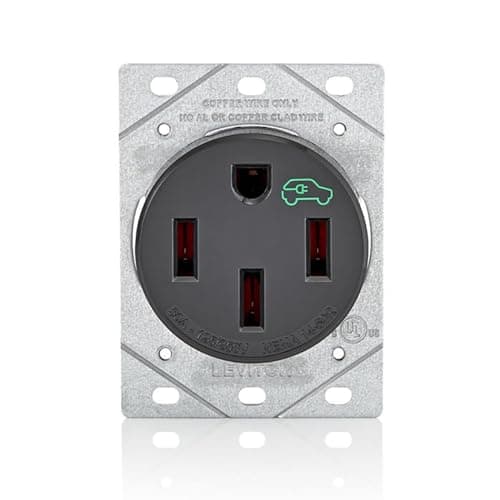
Roundup
The Best NEMA 14-50 Outlets for EV Charging
The NEMA 14-50 receptacle is the No. 1 failure point in a plug-in charging setup. The EV-rated and industrial outlets we would buy, ranked - with live prices.
Top pick: Leviton 1450R EV Receptacle · 4 ranked, 3 with live prices
$42.78AmazonHead to head
Lectron vs EVDANCE: NACS-to-J1772 Adapter
Both open Tesla-style home and destination chargers to a J1772 EV - the established 48-amp Lectron against the value 80-amp EVDANCE. AC charging only, not for Superchargers.
Top pick: Lectron NACS → J1772 Adapter · 2 ranked, 2 with live prices
$127.78AmazonHead to head
LENZ vs FOCSPROD: J1772-to-NACS Adapter
Both let a Tesla or NACS-port EV charge on the enormous installed base of J1772 stations - the UL-2251 LENZ against the value UL-2252 FOCSPROD, and what the two listings actually mean.
Top pick: LENZ J1772 → NACS Adapter · 2 ranked, 2 with live prices
$29.99Amazon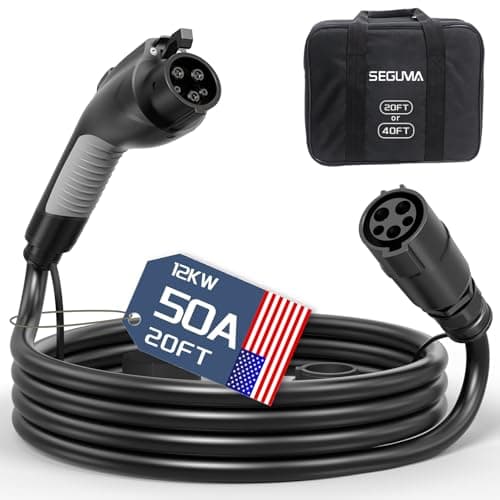
Roundup
The Best EV Charging Extension Cables
The J1772 and NACS extension cables we would buy when the charger genuinely cannot reach - ranked on safety listing, amperage and length, with live prices.
Top pick: SEGUMA 50A 20ft J1772 Extension · 5 ranked, 5 with live prices
$161.99Amazon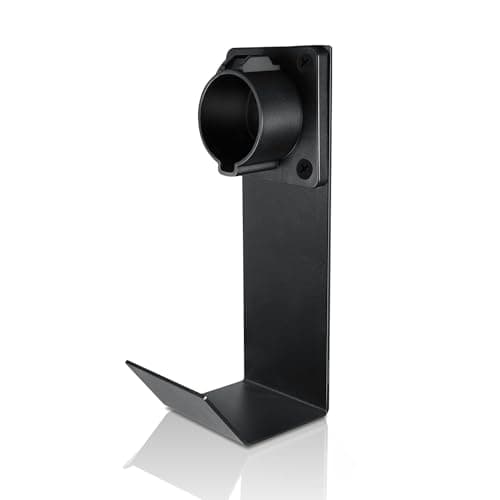
Roundup
The Best EV Charger Cable Holsters and Organizers
The connector holsters, rotating docks and steel J-hooks that keep a charging cable off the floor and its contacts clean - ranked for J1772 and NACS, with live prices.
Top pick: Lectron J1772 Holster + J-Hook · 5 ranked, 5 with live prices
$19.99Amazon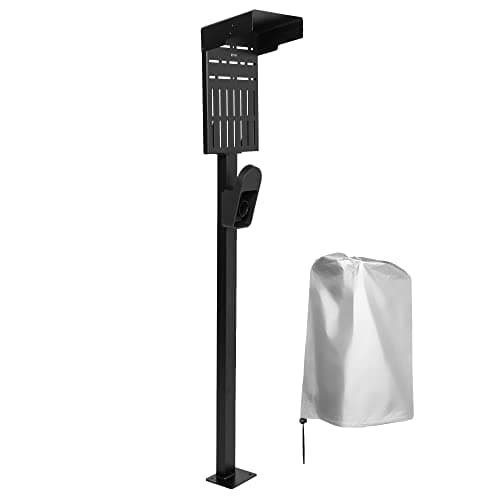
Roundup
The Best Outdoor EV Charger Pedestals and Stands
Freestanding pedestals and stands for a Level 2 charger with no wall to mount on - ranked on post height, base anchoring, weather cover and mounting-plate fit, with the code height rules that set the dimensions.
Top pick: VIVO Outdoor EV Charging Stand · 5 ranked, 5 with live prices
$99.99Amazon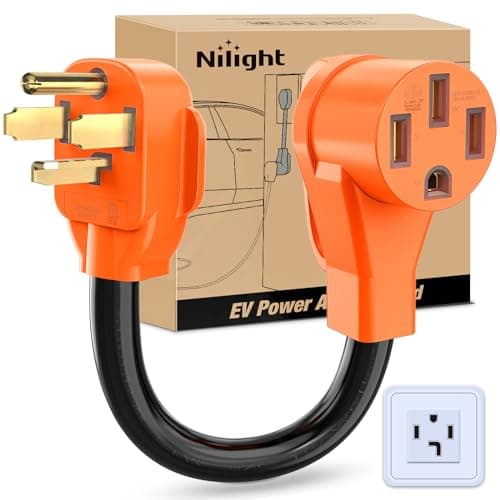
Roundup
The Best EV Charger Outlet Adapters
The cords that let a 14-50-plug EV charger reach a dryer or welder outlet, ranked on plug type, safety listing, gauge and length - with the 24-amp setting that keeps a 30-amp breaker alive and the Tesla Mobile Connector trap to avoid.
Top pick: Nilight 14-30P to 14-50R Adapter · 6 ranked, 6 with live prices
$24.99AmazonHead to head
Lectron vs A2Z: NACS to J1772 Adapters
Lectron against A2Z for the NACS-to-J1772 adapter a J1772 car needs at a Tesla Wall Connector: certification, current rating, the locking mechanism, what the IP rating really means, and which is worth the premium.
Top pick: Lectron NACS → J1772 Adapter · 4 ranked, 4 with live prices
$127.78Amazon