Skip to content
The Charge Curve

HUB 01 · Home EV Chargers

ChargePoint Home Flex vs Grizzl-E Classic

The polished app-connected charger against the sealed no-app metal box - two philosophies, compared on the four things that decide it.

By Stephen V.Updated How we compare
#ad

We earn a commission when you buy through our Amazon links, at no extra cost to you. It never affects our rankings, and we say so when the cheaper product is the better buy. How this works.

The short answer

Quick picks

#ProductBest forScorePrice
01
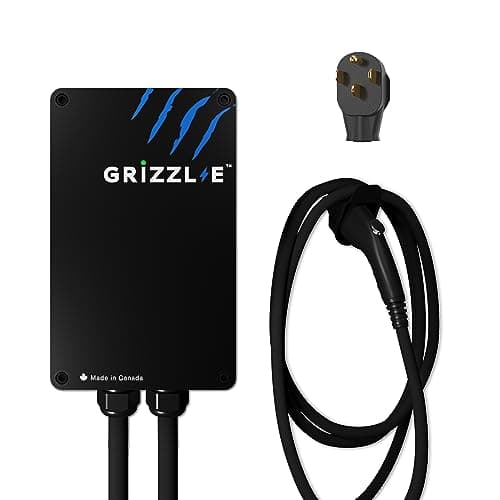
Grizzl-E Classic (40A)

A UL-certified cast-aluminum box with no app to update and nothing in the cloud to fail — the durability default for people who want a charger, not a gadget.

People who want a charger, not an app
8.0
$299.99Amazon
02
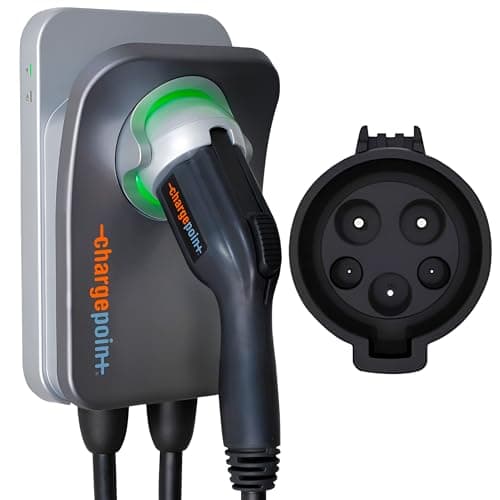
ChargePoint Home Flex

The mature, well-supported pick — amperage you dial in up to 50A, wired into the biggest public-charging app in North America. You pay for the polish.

Buyers who want the established brand + one app
8.2
$539.00Amazon

#ad · Live prices from the Amazon Product API, as of Jul 19, 2026. Where we have no verified live price, we show none — we would rather leave a gap than print a number that has gone stale.

Buy the Grizzl-E Classic if you want a sealed, durable box that just charges and keeps charging with no app to fail - and usually for less money. Buy the ChargePoint Home Flex if you want adjustable amperage, responsive support, and one app that covers home and public charging. They answer two different questions, and the right pick depends on which one is yours.

Both come up constantly in our best Level 2 chargers roundup, and they represent opposite philosophies: hardware-first durability versus a polished, connected ecosystem. Here is how they stack up on the four things that decide it. We compile published specs and do the math rather than bench-testing either unit.

Speed

A narrow edge to the ChargePoint. The Home Flex is adjustable up to 50 amps, against the Grizzl-E's fixed 40-amp / 9.6 kWceiling, so on a big enough circuit and a car that accepts it, the ChargePoint can add range a little faster. The caveat: most homes and plenty of cars top out around 40 amps anyway, in which case the two charge at the same rate. Whether you can use the ChargePoint's headroom comes down to your panel and your car - our amperage guide has the sizing.

App and features

A clean win for the ChargePoint, because it is the only one with an app. The Home Flex brings scheduling, energy monitoring, and the link to ChargePoint's public network - genuinely useful on a time-of-use plan or if you charge in public often. The Grizzl-E has none of that on purpose: no app, no Wi-Fi, nothing in the cloud. If smart features are what you want, this is not a contest; if they are what you are trying to avoid, read on.

Build and durability

The Grizzl-E takes this one. Its cast-aluminum, UL-certified enclosure is rated for indoor and outdoor use and is built to outlast plastic-bodied rivals, with no app or cloud service that can be deprecated out from under it. The ChargePoint is well-made and Energy Star certified, but its usefulness is tied to a company's software staying supported - a sealed metal box has less that can go wrong over a decade on the wall.

Value

The Grizzl-E, for most buyers. It usually costs less and gives you a rugged charger with the one spec that matters (the UL listing) intact. The ChargePoint charges a brand-and-ecosystem premium that is worth it only if you will use the app and the public-network integration. If value is your filter but you still want smart features, neither is the answer - the Emporia is, which is why it wins our overall roundup.

The verdict

Grizzl-E for durability, simplicity and value; ChargePoint for adjustable speed, a polished app, and one account for home and public charging. Read the individual Grizzl-E and ChargePoint reviews for the full detail, and before you buy either, confirm what your panel and car can support in the amperage guide.
In detail

The picks, in full

01
Grizzl-E Grizzl-E Classic (40A)

People who want a charger, not an app

Grizzl-E Classic (40A)

40A / 9.6kWJ1772NEMA 14-50 plugUL certified
8.0/10

A UL-certified cast-aluminum box with no app to update and nothing in the cloud to fail — the durability default for people who want a charger, not a gadget.

Charge speed
8
Build & weather
10
Smart features
5
Cable & connector
8
Value
9

Pros

  • Cast-aluminum enclosure rated for indoor and outdoor use — genuinely built to outlast plastic-bodied rivals
  • UL certified, which plenty of budget chargers on Amazon cannot claim
  • No mandatory app or Wi-Fi: it charges the day it arrives and keeps working if a server goes dark

Cons

  • No scheduling or energy monitoring — if you want off-peak automation or load sharing, look elsewhere
  • The stock cable stiffens in the cold, a recurring owner note in northern climates

Don't buy this if…

you want app scheduling, energy tracking, or load sharing between two cars. The Grizzl-E is deliberately dumb, and if smart features are the point for you, the Emporia is the better buy.

$299.99View on Amazon

Price as of Jul 19, 2026. Prices change — Amazon's is the one that counts.

#ad · we may earn a commission from this link to Grizzl-E Classic (40A)

02
ChargePoint ChargePoint Home Flex

Buyers who want the established brand + one app

ChargePoint Home Flex

Adjustable to 50AJ1772NEMA 14-50 plugEnergy Star
8.2/10

The mature, well-supported pick — amperage you dial in up to 50A, wired into the biggest public-charging app in North America. You pay for the polish.

Charge speed
9
Build & weather
8
Smart features
9
Cable & connector
8
Value
7

Pros

  • Output is adjustable in the app up to 50A, so it matches whatever breaker you can install today and more later
  • Reports into the same ChargePoint app that maps and pays for a huge public network — home and away in one place
  • Long track record and responsive support that newer budget brands cannot match

Cons

  • Costs more than equally capable chargers from newer brands
  • The experience leans hard on the ChargePoint account and app; skip it and you are paying for an integration you will not use

Don't buy this if…

price is your first filter. The Emporia matches most of what this does for meaningfully less — here you are paying for brand maturity and the unified app, which are real but not free.

$539.00View on Amazon

Price as of Jul 19, 2026. Prices change — Amazon's is the one that counts.

#ad · we may earn a commission from this link to ChargePoint Home Flex

How we picked

We do not run a testing lab

We compiled published specifications from manufacturer manuals and spec sheets, verified the safety listings (UL / ETL), computed the real running and installation costs, checked the wiring math against the NEC continuous-load rule, and read aggregated owner reviews — then scored each product against a published rubric. The scores are judgments from documented research — they are not bench measurements, because we do not have a test lab and we are not going to pretend we do. Every spec and cost figure is cited in Sources.

Questions

Frequently asked

Is the ChargePoint or the Grizzl-E faster?

The ChargePoint can be, because it is adjustable up to 50 amps versus the Grizzl-E's 40-amp ceiling - but only if your circuit and car support the higher current. On a typical 50-amp circuit, or with a car that caps at 40 amps, they charge at the same rate.

Which is more reliable long term?

The Grizzl-E has less that can fail: a sealed, UL-certified metal box with no app or cloud service to lose support. The ChargePoint is well-built too, but its smart features depend on the company's software staying maintained. For pure set-and-forget longevity, the Grizzl-E is the safer bet.

Should I pay more for the ChargePoint?

Only if you will use the app and the public-network integration. If you want scheduling and monitoring, the ChargePoint earns its premium; if you just want a charger, the Grizzl-E does the core job for less. And if you want smart features at a lower price, the Emporia beats both.

Keep reading

Receipts

Sources

We do not run a testing lab, and we do not pretend to. Where a measured number came from someone else's lab, we name them and link them. Where we could not verify something, we say so on the page rather than quietly leaving it out. Read our full method.