HUB 02 · Cables & Adapters
Do NACS Adapters Work at Superchargers?
The honest answer is no - the passive plug adapters are AC-only. Here is why, and the two real paths (Magic Dock and a vehicle-approved DC adapter) that actually work.
We earn a commission when you buy through our Amazon links, at no extra cost to you. It never affects our rankings, and we say so when the cheaper product is the better buy. How this works.
No - a passive NACS adapter does not let you DC fast-charge at a Tesla Supercharger. The small plug adapters that bridge NACS and J1772, including the ones we recommend, are AC-only devices. They work at Tesla Wall Connectors, Destination Chargers and home units, which deliver AC. A Supercharger delivers high-power DC, and that is handled by the car and the network, not by a cheap passive adapter. Here is the full, honest picture - including the two paths that actually do get a non-Tesla onto a Supercharger.
Why passive adapters are AC-only
The reason comes down to the difference between AC and DC charging. Home, destination and Level 2 charging is AC- alternating current that your car's onboard charger converts to DC for the battery, at modest power. Supercharging is DC - the station does the conversion and pushes direct current straight into the pack at far higher power. Those are different jobs with different hardware.
A passive plug adapter, in either direction (NACS-to-J1772 or J1772-to-NACS), does exactly one thing: it changes the physical shape of the connector so it fits a different port. It has no active electronics, does not manage the charging conversation between car and station, and is rated for the current and heat of AC home charging - not the much higher power of DC fast charging. So by design and by rating, these adapters belong on AC equipment only. The connector types explainer lays out the AC-versus-DC split that makes this so, and how to tell if your EV has NACS or J1772 helps you confirm which port and adapter you are dealing with in the first place.
Never use a passive AC adapter for DC fast charging. The NACS-to-J1772 and J1772-to-NACS adapters we recommend - and every cheap plug adapter like them - are not rated for Supercharger power levels. Forcing that connection is a serious safety hazard. AC adapters are for AC (home and destination) charging only.
How a Tesla or native-NACS car uses a Supercharger
The clean case needs no adapter at all. A Supercharger cable ends in a NACS connector, so a Tesla - or a 2025+ non-Tesla built with a native NACS port and enabled by its automaker - simply plugs straight in. The connector matches the port, the car and the network handle the DC conversation, and charging begins. No plug adapter is involved because none is needed. If you are not sure whether your car has a native NACS port, the port-identification guide settles it by shape.
How a CCS (non-Tesla) car uses a Supercharger: the two real paths
If your car has a J1772/CCS port and you want to DC fast-charge at a Tesla Supercharger, there are exactly two legitimate ways to do it - and neither one is the passive AC adapter.
- A Magic Dock Supercharger.Tesla has built a factory CCS adapter directly into select V3 and V4 Supercharger stalls - the "Magic Dock." At those specific sites a CCS car can Supercharge without owning any adapter; you start the session through the Tesla app and the built-in adapter deploys from the stall. The catch is that only some locations have it, so you plan around Magic Dock availability rather than assuming every Supercharger offers it.
- A vehicle-approved DC adapter. This is a Tesla-approved, vehicle-specific CCS-to-NACS DC adapter - a completely different product from the passive AC plug adapters. It is DC-rated, carries the higher power a Supercharger delivers, and is validated by the automaker for a specific car and network. Several manufacturers supply one for their vehicles as part of opening Supercharger access. It is not a generic, cheap, off-the-shelf plug adapter, and buying an AC adapter is not a substitute.
The distinction between these two DC paths and the passive AC adapter is not a fussy technicality - it is the whole point. A vehicle-approved DC adapter and the Magic Dock hardware are engineered to carry direct current at Supercharger power and to manage the safety handshake between car and station; a passive AC plug adapter does neither. Price has nothing to do with it, so do not be tempted to save a little by pointing an AC adapter at a DC stall. The right DC solution is the one your automaker approves for your specific car, and there is no generic shortcut around it.
Even with the right hardware, whether your specific non-Tesla can Supercharge at all also depends on the car and the network enabling it through your account or app, so confirm access with your automaker before you rely on it for a trip. For planning DC stops and understanding which networks are open to you, our public charging networks guide and EV road trip charging guide map out the options.
Where the passive adapters actually shine: at home
None of this means the passive adapters are a bad buy - they are just for a different job. At home you are only ever doing AC charging, so a passive adapter is exactly the right tool there. A J1772 car can draw from a Tesla-style Wall Connector or Destination Charger with a NACS-to-J1772 adapter, and a Tesla or NACS-port car can use the enormous J1772 network with a J1772-to-NACS adapter. The Supercharger question only comes up on road trips and public DC charging - it is a separate lane from the AC adapter that lives in your trunk. If you do need one of those AC adapters, we rank them in the NACS-to-J1772 and J1772-to-NACS roundups, and compare the top pairs in Lectron vs EVDANCE and LENZ vs FOCSPROD.
The bottom line
A passive NACS adapter is a home-and-destination AC tool, both directions, and it does that job well. It does not - and should not be made to - unlock a Tesla Supercharger. Superchargering comes down to the car plus one of three things: a native NACS port, a Magic Dock stall, or a vehicle-approved DC adapter. If someone tells you a cheap plug adapter will get your CCS car onto a Supercharger, they are wrong, and using one that way is dangerous.
The gear
Recommended gear for this guide
The products this guide refers to, with prices pulled live from Amazon and dated on each card.
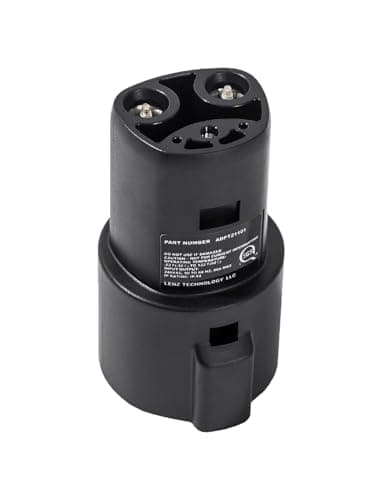
A Tesla / NACS car using J1772 chargers
LENZ J1772 → NACS Adapter
A UL-2251-certified J1772-to-NACS adapter — the one a Tesla or a 2026+ NACS-port EV needs to use the enormous installed base of J1772 chargers.
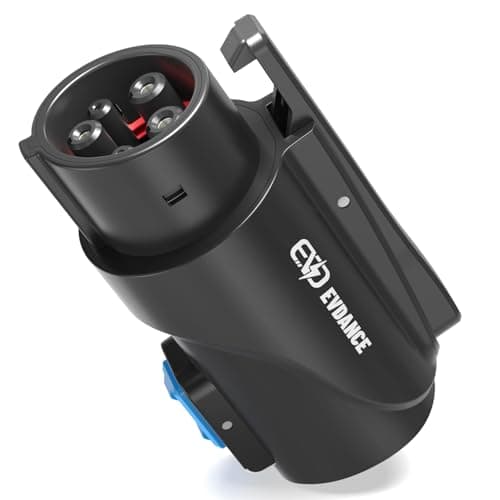
The value NACS → J1772 adapter
EVDANCE NACS → J1772 Adapter
An 80-amp-rated NACS-to-J1772 adapter that usually comes in cheaper than the Lectron — same job, better price.
#ad · As an Amazon Associate we earn from qualifying purchases.
Questions
Frequently asked
Will a NACS-to-J1772 or J1772-to-NACS adapter let me Supercharge?
No. Both are passive AC adapters for home and destination charging. Superchargers are high-power DC, which is handled by the car and the network, not a plug adapter. Using an AC adapter for DC fast charging is unsafe and will not work.
So how does a non-Tesla actually charge at a Supercharger?
Two ways: at a Magic Dock stall that has a factory-built CCS adapter, or with a Tesla-approved, vehicle-specific CCS-to-NACS DC adapter supplied for your car. Both are DC-rated and network-validated - very different from the cheap passive AC plug adapters. Access also depends on your automaker and account enabling it.
What is a Magic Dock?
It is a CCS adapter Tesla has built directly into select V3 and V4 Supercharger stalls, so a CCS car can charge there without owning any adapter. You start the session in the Tesla app. Only some sites have it, so check availability before planning a stop with our public charging networks guide.
If the adapter is AC-only, what is it good for?
Home and destination AC charging, which is what most people need it for. A J1772 car uses a Tesla-style Wall Connector with a NACS-to-J1772 adapter, and a NACS car uses the J1772 network with a J1772-to-NACS adapter. That is exactly the job these adapters are built and rated for.
Keep reading
Related
- Which EVs Can Use SuperchargersAccess by brand, the stall generations that are open, and what each car needs.
- Connector types explainedThe AC-versus-DC split that makes passive adapters AC-only.
- J1772-to-NACS adaptersThe AC adapters a Tesla or NACS car uses at home - not for DC.
- How to tell if your EV has NACS or J1772Confirm your port before you buy any adapter.
- Public charging networksWhich DC networks - including Superchargers - are open to your car.
- EV road trip charging guidePlanning DC fast-charge stops the right way.
More in this section
More Cables & Adapters
Receipts
Sources
- US DOE AFDC - EV charging infrastructure & connectors
- US DOE AFDC - charging at home
- US DOE / fueleconomy.gov - EV charging basics
We do not run a testing lab, and we do not pretend to. Where a measured number came from someone else's lab, we name them and link them. Where we could not verify something, we say so on the page rather than quietly leaving it out. Read our full method.