HUB 03 · Charging Guides
Why Is My EV Charger Humming or Buzzing?
Some noise is the charger working exactly as designed - and some noise means stop and call an electrician. Here is how to tell which is which.
We earn a commission when you buy through our Amazon links, at no extra cost to you. It never affects our rankings, and we say so when the cheaper product is the better buy. How this works.
A charger that makes a little noise when it starts a session usually worries owners far more than it should. A faint hum while charging, or a distinct click at the beginning and end of a session, is normal - it is the sound of the hardware doing its job. The noises that genuinely matter are different in character: loud buzzing, crackling, sizzling, a burning smell, or a plug that is warm to the touch. Learning to tell the two apart is the whole point of this guide, because one is nothing and the other means stop.
The normal sounds, and where they come from
When you plug in and a charge begins, most Level 2 units make a single firm click. That is the internal contactor - a heavy-duty relay - energizing to connect power to the cable. It clicks again when the session ends and the contactor opens. This is by design: the charger keeps the cable de-energized until the car and charger have shaken hands, then closes the contactor to let current flow. One click at the start and one at the end is a healthy charger, not a failing one.
Under load, a faint steady hum is also common. Transformers, coils, and other components carrying alternating current can vibrate very slightly at the frequency of the grid, producing a quiet electrical hum you may only notice in a silent garage. As long as it is soft, steady, and unchanging while the car charges, it belongs in the normal column. The test is simple: normal noise is quiet, consistent, and comes with no smell and no heat.
The sounds that mean stop
Now the noises that are not normal. Loud buzzing, crackling, popping, or a sizzling or frying sound is the signature of electricity arcing across a gap it should not be crossing. A burning or acrid plastic smell, visible scorching, or a plug and receptacle that feel hot rather than mildly warm all point the same way. Any one of these means you should end the charge and stop using the setup until it has been inspected - arcing generates heat, and heat at a high-current connection is how electrical fires start.
Crackling, sizzling, a burning smell, or a plug that is hot to the touch means stop immediately. Unplug the charger, switch off its breaker if you can do so safely, and do not use it again until a licensed electrician has inspected the circuit, the receptacle, and the connections. This is standard NEC territory and not a DIY repair.
The usual culprit: a cheap or loose receptacle
For a plug-in charger, the single most common source of alarming noise is the outlet, not the charger. EV charging pulls a large current continuously for hours - a duty cycle that a bargain-bin NEMA 14-50 receptacle was never built to handle. The cheap ones develop loose or worn contacts that arc under load, and arcing is exactly what buzzing and crackling sound like. This is why the receptacle quality matters so much; we go into it in the NEMA 14-50 outlet guide, and the short version is that an industrial-grade, properly listed outlet installed by an electrician is not the place to save money.
A loose connection can also live inside the receptacle's wiring, at the breaker, or where the charger is hardwired - all of which produce the same heat-and-noise pattern and all of which are an electrician's job to find and fix. If a plug-in charger buzzes, feel the face of the outlet: warm is a warning, hot is a stop. The same connection that hums today can be the one that trips a breaker tomorrow, so if you are seeing both, read why your EV charger trips the breaker alongside this.
Noise that is really just vibration
Not every unexpected sound is electrical. A charger mounted against a hollow stud wall or a thin metal panel can act like a soundboard, taking the faint internal hum and amplifying it into something you notice across the room. If the noise is a low mechanical buzz rather than a crackle, and the unit is cool and odor-free, the mounting surface may simply be resonating. Remounting onto a solid backer, or adding a rubber isolating pad behind the unit, often quiets it. This is a comfort issue, not a safety one - but only after you have ruled out heat and smell.
A quick self-check routine
When a charger starts making a noise that bothers you, run this in order. First, listen: is it a soft steady hum and a click, or a crackle and buzz? Second, smell: any burning or hot-plastic odor at all is a stop. Third, feel - carefully, with the back of your hand near but not on the plug: warm is a flag, hot is a stop. If all three come back clean - quiet, odorless, cool - you are almost certainly hearing a normal charger, and the fix at most is damping a resonating mount. If any one fails, end the session and bring in a pro.
Keeping the connector and contacts clean and dry helps too, since dirt and moisture at a high-current contact can contribute to arcing over time. We cover that upkeep in EV charger maintenance and care. And if the noise comes with the charger refusing to deliver a charge at all, work through EV charger not charging rather than chasing the sound alone. And if the receptacle checks out but the noise is coming from the box itself, the best Level 2 home chargers we've compared shows what a replacement costs before you book an electrician.
Time to replace it?
If the fix does not hold, here is what we would buy
Most of the time the steps above get a charger working again, and you should give them a fair run first. But when the same fault keeps coming back after you have worked through them, or the unit is out of warranty, it is worth doing the math: replacing a home charger is often cheaper than paying for a service call to diagnose it, and the new one arrives with a fresh warranty. We are not saying yours is broken - only that if it is, these are the Level 2 chargers we would replace it with. All three lead our ranked Level 2 roundup, and every price is pulled live from Amazon.
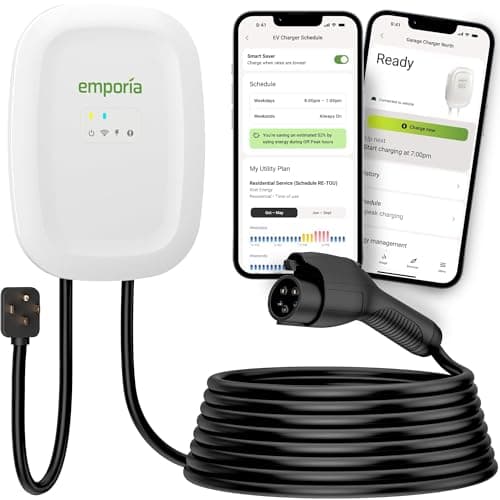
Most homes that want speed and smarts
Emporia Level 2 (48A)
Our top Level 2 pick: 48-amp capable when hardwired, real energy monitoring, priced like a plain plug-in box.
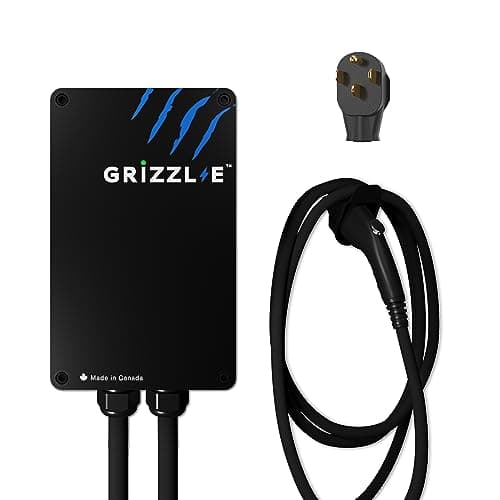
People who want a charger, not an app
Grizzl-E Classic (40A)
The no-app alternative: a UL-certified cast-aluminum box with no Wi-Fi to fail and nothing in the cloud to go dark.
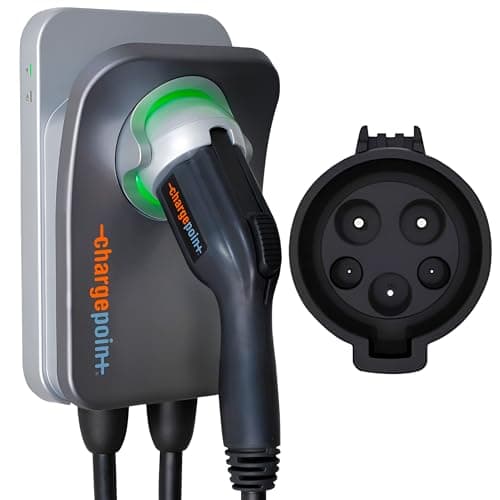
Buyers who want the established brand + one app
ChargePoint Home Flex
The established brand: adjustable up to 50 amps, and one app covers home and public charging.
Full review: Emporia Level 2 →See every Level 2 charger we rank →
#ad · we may earn a commission · As an Amazon Associate we earn from qualifying purchases.
Questions
Frequently asked
Is it normal for an EV charger to make noise?
A faint, steady hum while charging and a single click when a session starts or stops are normal. The click is the internal contactor switching power to the cable, and the hum is components vibrating slightly under AC load. Quiet, consistent noise with no smell and no heat is nothing to worry about.
When should I be worried about a buzzing charger?
Loud buzzing, crackling, sizzling, a burning smell, or a plug that is hot to the touch are the warning signs. They usually mean electricity is arcing at a loose or worn connection. Stop the charge, cut the power, and have a licensed electrician inspect it before using it again.
Why does my plug-in charger buzz at the outlet?
Continuous EV charging stresses the outlet, and cheap or worn NEMA 14-50 receptacles develop loose contacts that arc under load - which sounds like buzzing or crackling. An industrial-grade, properly listed receptacle installed by an electrician is the fix; a warm or hot outlet face is a signal to stop.
My charger hums but nothing feels hot. Should I do anything?
If it is a soft mechanical hum with no smell and no heat, it may just be the unit resonating against a hollow wall. Mounting it on a solid backer or adding a rubber pad behind it usually quiets the sound. Only treat noise as urgent when it comes with a crackle, a smell, or heat.
Keep reading
Related
- EV Charger Tripping the BreakerThe same loose connection that buzzes can trip a breaker.
- The NEMA 14-50 Outlet GuideWhy a cheap receptacle is the part that fails and arcs.
- EV Charger Maintenance and CareKeeping contacts clean and dry to avoid arcing over time.
- EV Charger Not ChargingWhen the noise comes with a charge that will not start.
More in this section
More Charging Guides
Receipts
Sources
- US DOE / fueleconomy.gov - EV charging basics
- US DOE AFDC - charging at home
- EC&M - NEC requirements for EV equipment (Article 625)
We do not run a testing lab, and we do not pretend to. Where a measured number came from someone else's lab, we name them and link them. Where we could not verify something, we say so on the page rather than quietly leaving it out. Read our full method.