HUB 03 · Charging Guides
Weatherproofing an Outdoor EV Charger Install
Outdoor charging is designed-for and safe - if the hardware is rated for it. What NEMA enclosure ratings mean, how high to mount, and why a plug-in outlet needs an in-use cover.
We earn a commission when you buy through our Amazon links, at no extra cost to you. It never affects our rankings, and we say so when the cheaper product is the better buy. How this works.
Charging an EV outdoors is normal and safe - the connectors and most Level 2 chargers are designed for it. The catch is that "most" is not "all," and a plug-in outlet outdoors needs its own protection. Getting an outdoor install right comes down to four things: a charger with a real weather rating, a correct mounting spot and height, an in-use cover on any receptacle, and - as always - a licensed electrician for the wiring.
Read the NEMA enclosure rating
The single most important spec for an outdoor charger is its enclosure rating, and there are two systems you will see. NEMA enclosure types: 3R is rain- and sleet-resistant (fine for most sheltered outdoor walls), 4 adds hose-directed water, and 4X adds corrosion resistance for coastal or harsh environments. The IP system says a similar thing: IP65, IP66, and IP67 all indicate strong protection against dust and water, with the higher number meaning more. A charger listed for outdoor use will carry one of these - for example, the cast-aluminum Grizzl-E Ultimate is rated IP67 / NEMA 4X, which is about as weatherproof as home chargers get. Do not mount a charger outdoors unless its own listing says it is rated for it; that rating is the whole permission. The units that qualify are ranked in best outdoor chargers.
Where and how high to mount it
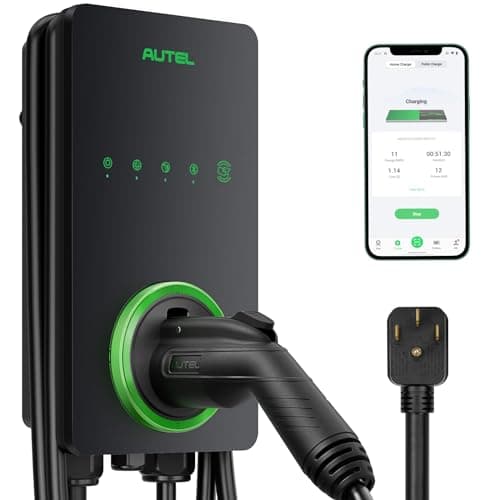
Manufacturers publish a mounting height range - commonly around 18 to 48 inches to the unit, roughly chest height - and following it keeps the connector easy to reach and the cable off the ground. Mount on a solid wall or a dedicated post, ideally with some shelter from a roofline or eave if you have it, and position it so the cable reaches your charge port without stretching across a walkway. The general placement rules are in where to mount an EV charger. Keep the connector docked in its holster when not in use so water does not pool in the contacts - a point we make in charger maintenance and care. A feature-complete unit like the Autel MaxiCharger ships with a holster for exactly this.
The outlet is the weak point on a plug-in install
If you are plugging into a NEMA 14-50 outdoors rather than hardwiring, the receptacle needs a weatherproof, in-use (bubble) cover - an enclosure that keeps rain off the outlet even while a plug is inserted. A plain indoor cover does not qualify outdoors. This matters because the receptacle is the one part exposed to weather that is not sealed like the charger, and a worn or wet 14-50 is a known cause of an overheating plug, covered in EV charger plug getting hot. Hardwiring sidesteps the outlet entirely, which is one reason it is common for permanent outdoor installs - see hardwired vs plug-in.
Cold, sun, and the cable
Two environmental notes beyond water. In deep cold, charger cables stiffen - rugged cast-aluminum units in particular - so if the charger lives outside in a northern winter, read best cold-weather chargers. And UV and heat over years are why an outdoor-listed enclosure matters: it is built to take sun and temperature swings that would degrade an indoor box. Charging in the rain itself is safe by design - the connector is engineered to seal - as we explain in can I charge my EV in the rain.
Mounting an outdoor charger, running its circuit, and fitting a weatherproof in-use cover on any receptacle are standard NEC tasks for a licensed electrician - never a DIY project. Use only a charger and outlet hardware listed for outdoor use, install to the manufacturer's height and torque specs, and have the work permitted and inspected. Use this guide to plan it, then let a pro do the wiring to code.
Done right, an outdoor charger is every bit as safe and reliable as one in a garage. Buy a unit whose listing says outdoor, mount it at the specified height with the cable off the ground, protect any outlet with an in-use cover, and hand the wiring to an electrician. Build and weather rating is one of the five scores behind the best Level 2 home chargers we've compared, so the outdoor-ready units are easy to spot there.
The gear
Recommended gear for this guide
The products this guide refers to, with prices pulled live from Amazon and dated on each card.
- Guide
A permanent, weatherproof 48A install
Grizzl-E Ultimate (48A)
A dedicated 48-amp charger in a cast-aluminum, IP67 shell - the toughest full-speed box here, built to be hardwired to a wall and left to work.
Feature-maximalists who want a clean install
Autel MaxiCharger (40A)
The everything-in-the-box option: Wi-Fi and Bluetooth both, a weather-rated shell, and a holster included so the install is tidy from day one.
#ad · As an Amazon Associate we earn from qualifying purchases.
Time to replace it?
If the fix does not hold, here is what we would buy
Most of the time the steps above get a charger working again, and you should give them a fair run first. But when the same fault keeps coming back after you have worked through them, or the unit is out of warranty, it is worth doing the math: replacing a home charger is often cheaper than paying for a service call to diagnose it, and the new one arrives with a fresh warranty. We are not saying yours is broken - only that if it is, these are the Level 2 chargers we would replace it with. All three lead our ranked Level 2 roundup, and every price is pulled live from Amazon.
Most homes that want speed and smarts
Emporia Level 2 (48A)
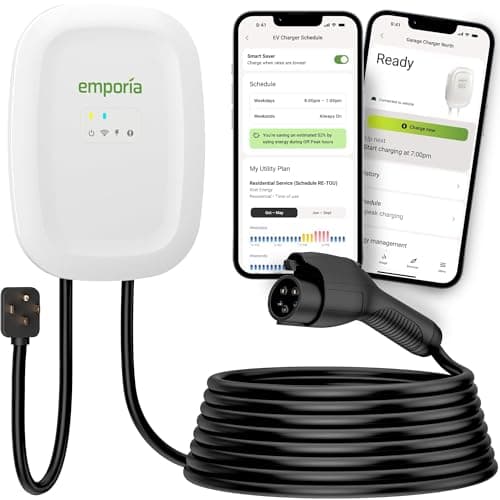
Our top Level 2 pick: 48-amp capable when hardwired, real energy monitoring, priced like a plain plug-in box.
People who want a charger, not an app
Grizzl-E Classic (40A)
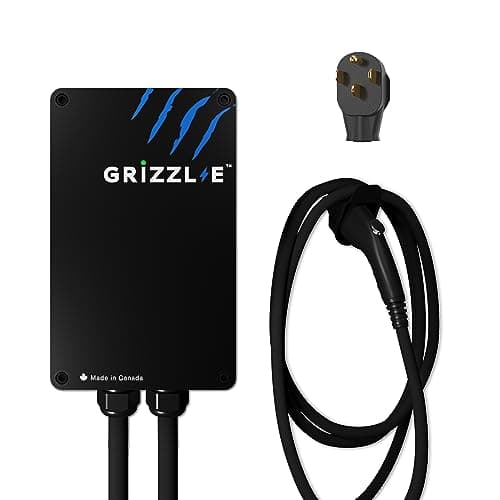
The no-app alternative: a UL-certified cast-aluminum box with no Wi-Fi to fail and nothing in the cloud to go dark.
Buyers who want the established brand + one app
ChargePoint Home Flex
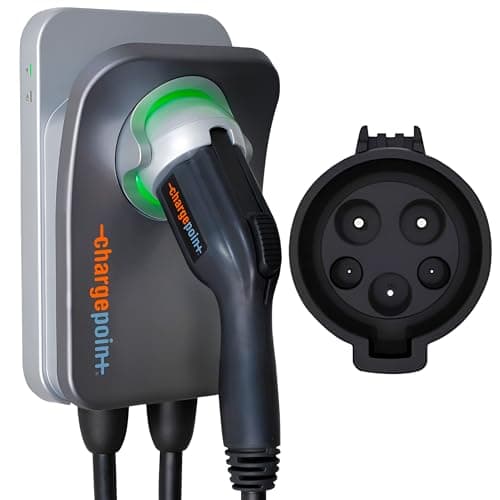
The established brand: adjustable up to 50 amps, and one app covers home and public charging.
Full review: Emporia Level 2 →See every Level 2 charger we rank →
#ad · we may earn a commission · As an Amazon Associate we earn from qualifying purchases.
Questions
Frequently asked
Is it safe to install an EV charger outside?
Yes, when the charger is rated for it. Look for a NEMA 3R/4/4X or IP65+ enclosure rating on the unit's own listing - that rating is what permits outdoor use. Charging in rain and snow is safe by design because the connector seals when latched.
What NEMA rating do I need for an outdoor charger?
NEMA 3R handles rain on a sheltered wall; NEMA 4 adds hose-directed water; 4X adds corrosion resistance for coastal or harsh sites. In the IP system, IP65 and up is strong protection. A unit like the Grizzl-E Ultimate is IP67 / NEMA 4X - near the top of what home chargers offer.
Does an outdoor NEMA 14-50 outlet need anything special?
Yes - a weatherproof, in-use (bubble) cover that keeps rain off the outlet even with a plug inserted, plus a receptacle rated for the location. A plain indoor cover is not enough. Hardwiring avoids the exposed outlet altogether.
How high should I mount an outdoor charger?
Follow the manufacturer's range, commonly about 18-48 inches to the unit (roughly chest height), so the connector is easy to reach and the cable stays off the ground. See where to mount.
Keep reading
Related
- Garage vs Outdoor ChargingWhat genuinely changes when the charger lives outside, and what a garage is worth.
- Best Outdoor EV ChargersThe weather-rated units that pass the enclosure test.
- Can I Charge My EV in the Rain?Why wet-weather charging is safe by design.
- Where to Mount an EV ChargerHeight and placement that keep the cable off the ground.
- EV Charger Plug Getting HotWhy an exposed outdoor 14-50 is the part to protect.
- Hardwired vs Plug-InWhy hardwiring is common for permanent outdoor installs.
More in this section
More Charging Guides
Receipts
Sources
- EC&M - NEC requirements for EV equipment (Article 625: continuous load, circuit sizing, GFCI, disconnect)
- US DOE AFDC - charging an EV at home
- US DOE / fueleconomy.gov - EV charging basics
We do not run a testing lab, and we do not pretend to. Where a measured number came from someone else's lab, we name them and link them. Where we could not verify something, we say so on the page rather than quietly leaving it out. Read our full method.