HUB 03 · Charging Guides
How to Ask Your Landlord for an EV Charger
Most requests get refused because they hand the landlord a vague problem. The ones that succeed hand them a finished plan where somebody else carries the cost and the risk.
We earn a commission when you buy through our Amazon links, at no extra cost to you. It never affects our rankings, and we say so when the cheaper product is the better buy. How this works.
"Can I install an EV charger?" is an easy question for a landlord to say no to, because it sounds like cost, liability and a hole in their wall. The requests that succeed are the ones that arrive as a finished proposal - specific equipment, a named electrician, a clear answer on who pays for the electricity, and an explicit removal of the landlord's risk. Here is how to build that, and what to ask for first.
Understand what they are actually worried about
Nearly every refusal comes down to four things. Address them before they are raised and the conversation changes completely:
- Cost. They assume they are paying for an install that benefits one tenant.
- Electricity theft. If the outlet is on a common-area meter, they are buying your fuel.
- Liability and property damage. An unpermitted electrical job by an unknown person on their building.
- Permanence. A fixture they may have to maintain or remove when you leave.
Ask for the smallest thing that solves your problem
Escalate only if you have to. In order of how likely each is to be approved:
- 1. Permission to use an existing outlet. If there is a standard 120-volt outlet near your space, a Level 1 cord may be all you need - overnight it adds enough for most commutes. This asks for nothing but permission and a way to settle the electricity. The honest limits are in Level 1 vs Level 2.
- 2. Permission to use an existing 240-volt outlet. Laundry rooms, workshops and older garages sometimes already have one. A portable Level 2 unit plugs in and comes with you when you leave - nothing is installed, nothing is permanent.
- 3. A full Level 2 installation at your cost. The biggest ask. Bring a quote, an electrician, and an offer to leave the equipment behind as an improvement to the property - and name the unit, because a specific model with a price from the Level 2 home chargers we rank reads as a plan, not a wish.
Why option 2 is the sweet spot. A portable Level 2 charger on an existing 14-50 or 6-20 outlet gives you real charging speed with zero installation, zero permanent change and zero landlord expense. It is also the setup you take to the next apartment - the case we make in best chargers for apartments and can a portable be your main charger.
Solve the electricity question before they ask it
This is the objection that sinks the most requests, and it is the easiest to defuse because the amounts are small and knowable. Offer one of these in writing:
- A metered arrangement. A simple plug-in energy meter, or a smart charger that reports kWh, and you reimburse actual consumption at their rate.
- A flat monthly addition to rent. Simplest for a landlord who does not want administration. Work out a fair figure from your own mileage using our monthly charging cost guide and calculator, then propose slightly above it so nobody feels short-changed.
- A dedicated meter or a sub-meter where the building supports it. Cleanest for a long tenancy, and covered in do I need a separate meter.
What to put in the written proposal
Keep it to one page. A landlord should be able to say yes without doing any work:
- The exact equipment, with a link and the amperage.
- The exact location and how the cable will be routed and secured.
- A named, licensed and insured electrician, with a quote attached.
- Confirmation that the work will be permitted and inspected - see permits and inspection.
- Who pays: installation, electricity, removal or restoration at end of tenancy.
- Your offer: for example, you pay the install and the equipment stays with the property.
The arguments that genuinely land
Do not lead with your own convenience. Lead with theirs:
- It is a property improvement. Charging is increasingly something tenants filter for, and a building with it is easier to let.
- It costs them nothing. If you have offered to cover install, electricity and restoration, there is no financial argument left to make.
- There may be programs. Many utilities run make-ready or multifamily charging incentives, and some states have right-to-charge provisions covering tenants. Do not assert what applies - look yours up in the DOE laws and incentives database and check your utility, then bring what you find. Our rebates and incentives guide explains how to check properly.
- It is safe and permitted. A licensed install with an inspection is the answer to the liability worry, and it is worth saying out loud.
If the answer is still no
It is not the end of EV ownership - plenty of people run one on workplace and public charging, and a Level 1 cord on any ordinary outlet goes further than people assume. Read can you own an EV without home charging for the honest version, and charging an EV at an apartment for every remaining option ranked. And ask again when the lease renews - the answer changes as buildings compete for tenants.
The gear
Recommended gear for this guide
The products this guide refers to, with prices pulled live from Amazon and dated on each card.
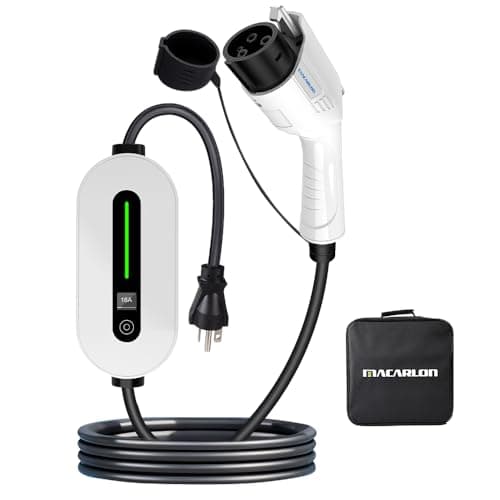
A 120V cord with a 240V upgrade path
MACARLON 16A Level 1/2
A 120-volt cord that also does Level 2 - it ships with a NEMA 6-20 plug and a 5-15 adapter, so a spare 240-volt outlet roughly doubles your charging speed for no extra hardware.
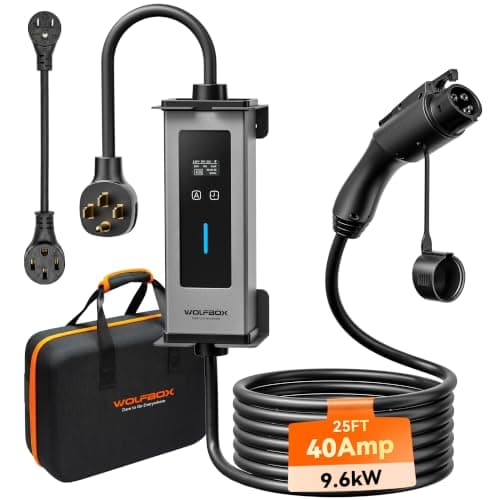
One charger for home and travel
WOLFBOX 40A Portable (Level 1/2)
A dual-level portable that doubles as a wall box — 40 amps on a NEMA 14-50, or Level 1 on a standard outlet with the included adapters. One weatherproof charger for the garage and the road.
#ad · As an Amazon Associate we earn from qualifying purchases.
Questions
Frequently asked
What is the easiest EV charging request for a landlord to approve?
Permission to use an existing outlet - especially an existing 240-volt outlet with a portable Level 2 charger. Nothing is installed, nothing is permanent, and the landlord incurs no cost beyond electricity you offer to reimburse.
Should I offer to pay for the installation myself?
If you are asking for a permanent Level 2 install, usually yes - and offer to leave the equipment as a property improvement. That converts the request from an expense into a free upgrade for the building.
How do I handle paying for the electricity?
Offer a specific mechanism rather than leaving it vague: a metered reimbursement, a flat monthly addition to rent based on your real mileage, or a sub-meter. Work out the figure first so the number you propose is defensible.
Are landlords required to allow EV charging?
It depends entirely on where you live - some states have right-to-charge provisions and many do not, and terms vary. Look up your own state in the DOE laws and incentives database rather than relying on a general article.
Keep reading
Related
- Charging an EV at an ApartmentEvery option ranked, if the answer is no.
- Best Chargers for Apartments & RentersThe portable and plug-in units that need no install.
- Condo & HOA EV ChargingThe same problem when you own the unit but not the parking.
- Can You Own an EV Without Home Charging?The honest fallback if permission never comes.
- Rebates & IncentivesPrograms that may pay for part of the install.
More in this section
More Charging Guides
Receipts
Sources
- US DOE AFDC - laws and incentives database (search your state for right-to-charge and EVSE rules)
- US DOE AFDC - charging an EV at home
- EC&M - NEC requirements for EV equipment (Article 625)
We do not run a testing lab, and we do not pretend to. Where a measured number came from someone else's lab, we name them and link them. Where we could not verify something, we say so on the page rather than quietly leaving it out. Read our full method.