HUB 03 · Charging Guides
EV Charger Plug Getting Hot? Why, and What to Do
Warm is often fine; hot is not. Here is the difference, the loose-connection physics behind it, and why an industrial-grade outlet is the fix - not a place to save money.
We earn a commission when you buy through our Amazon links, at no extra cost to you. It never affects our rankings, and we say so when the cheaper product is the better buy. How this works.
A plug that feels a little warm after hours of charging can be perfectly normal - moving a large current heats things slightly, and that is physics, not a fault. A plug or receptacle that is genuinely hot is a different story, and it is one of the few EV-charging symptoms that deserves immediate attention. Heat at a high-current connection is the classic warning sign of a loose or worn contact, and left alone it is exactly how an electrical fire starts. This guide draws the line between warm and hot, explains what causes it, and tells you what to do.
If the plug or outlet is too hot to hold comfortably, stop charging now. Unplug the charger, switch off its breaker if you can do so safely, and do not use the setup again until a licensed electrician has inspected the receptacle, the terminations, and the wire. A hot connection on a continuous 240-volt load is a genuine fire risk under the NEC, not a quirk to monitor.
Warm versus hot: where the line sits
Some warmth is expected. A plug-in charger pulls a large, steady current for hours, and any connection carrying that current will feel mildly warm to the touch - a little above room temperature, no different from a phone charger that has been working a while. The test is simple and it uses the back of your hand: if you can rest it against the plug and hold it there comfortably, that is warm and probably fine. If it is too hot to keep your hand on, or the plastic feels soft, smells of hot plastic, or shows any discoloration or scorching, that is hot - and hot is a stop.
The reason heat matters so much here is that it feeds on itself. A slightly loose contact has a little resistance; resistance under current makes heat; heat loosens the contact further and oxidizes the metal, which raises the resistance again. That runaway loop is why a connection that is merely warm this month can be the one that fails badly next month, and why you treat rising heat as a trend to act on rather than tolerate.
The number-one cause: a cheap or worn receptacle
For a plug-in charger, the single most common source of a hot plug is the outlet, not the charger. Continuous EV charging is a duty cycle that a bargain-bin, residential-grade NEMA 14-50 receptacle was simply never built to handle. Those cheap outlets are designed for the occasional, brief draw of an RV or a range, and under an hours-long EV load their spring contacts relax, wear, and start to run hot. This is the overwhelming favorite explanation, and it is why the receptacle you charge through is not the place to economize. We go deep on the difference in the NEMA 14-50 outlet guide.
Beyond the receptacle itself, the same heat pattern comes from a handful of related faults: loose terminations where the wires land on the outlet or the breaker, undersized wire that cannot carry the continuous load without heating, or a damaged connector on the charger's cable. All of them produce heat at a connection, and all of them are an electrician's job to find and correct. The same loose connection that runs hot is often the one behind a nuisance trip, which is why an EV charger tripping the breaker and a charger that hums or buzzes often travel together with a warm plug. A unit running hot at the plug can also trip its own over-temperature protection and flash a fault light, which we decode in fault codes and warning lights.
The three fixes
There are three real answers, and which one is right depends on your setup.
a. Replace the outlet with an industrial-grade NEMA 14-50
If the cause is a cheap receptacle, the fix is a properly rated, industrial-grade NEMA 14-50 with substantial contacts built for continuous duty, installed by an electrician. This is the most common cure by a wide margin, and it is worth doing right the first time. Our best NEMA 14-50 chargers guide covers the plug-in units that pair with one, and the receptacle itself is the kind of listed, heavy-duty part we point to rather than the cheapest box on the shelf.
b. Have an electrician check and torque the terminations
If the outlet is already a good one, the heat may be coming from a connection that was not tightened to the correct torque, or has loosened over time. An electrician can check and re-torque the terminations at the outlet and the breaker to the manufacturer's spec - a routine but important correction, since improper torque is a recognized cause of loose-connection heating under the NEC.
c. Hardwire the charger and remove the plug entirely
The most durable fix is to eliminate the plug altogether. A hardwired charger has no receptacle to loosen or wear, which removes the single most common failure point on a plug-in install. If your unit supports it and you are not planning to move the charger, hardwiring is the connection an electrician will often recommend for a high-continuous load. We weigh the trade-offs in hardwired vs plug-in.
Why the cheap outlet keeps causing this
It is worth naming the pattern plainly because it recurs so often. Someone installs a capable Level 2 charger on a low-cost, residential-grade 14-50 to save a little money, and months later the plug runs hot. The charger is fine; the weak link is the outlet under it. Buying a cheap unit and then a cheap outlet compounds the risk - our take on that whole category is in are cheap EV chargers safe. The reassuring flip side is that once the connection is done properly - industrial outlet or hardwired - a hot plug simply stops being a problem, and unattended charging is safe, which is the whole point of charging overnight.
A quick self-check, and where it ends
When you notice heat, run the same three-sense routine you would for any charging worry: feel the plug and outlet with the back of your hand, look for discoloration or a soft or melted face, and smell for hot plastic. If all three come back clean and the plug is merely warm, you are likely fine, though a warm trend on a cheap outlet is still worth an upgrade. If any one fails - too hot to hold, scorched, or smelling - end the session and bring in a licensed electrician. Feeling a hot plug is never something to troubleshoot repeatedly; it is a signal to stop and get it corrected. If the correction turns out to be a hardwired install, the units that support it are marked in the Level 2 home chargers we rank.
The gear
Recommended gear for this guide
The products this guide refers to, with prices pulled live from Amazon and dated on each card.
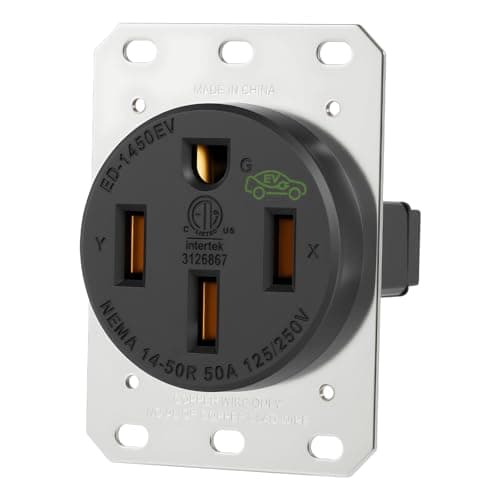
The outlet a plug-in charger needs
Industrial NEMA 14-50 Outlet
The receptacle a plug-in charger actually plugs into — buy the industrial-grade, listed version, because the cheap ones are the exact part that fails.
#ad · As an Amazon Associate we earn from qualifying purchases.
Time to replace it?
If the fix does not hold, here is what we would buy
Most of the time the steps above get a charger working again, and you should give them a fair run first. But when the same fault keeps coming back after you have worked through them, or the unit is out of warranty, it is worth doing the math: replacing a home charger is often cheaper than paying for a service call to diagnose it, and the new one arrives with a fresh warranty. We are not saying yours is broken - only that if it is, these are the Level 2 chargers we would replace it with. All three lead our ranked Level 2 roundup, and every price is pulled live from Amazon.
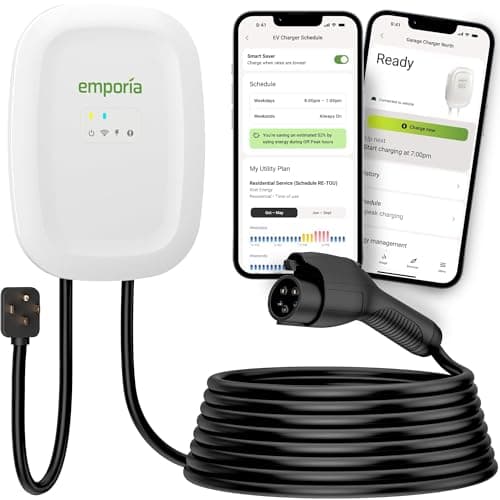
Most homes that want speed and smarts
Emporia Level 2 (48A)
Our top Level 2 pick: 48-amp capable when hardwired, real energy monitoring, priced like a plain plug-in box.
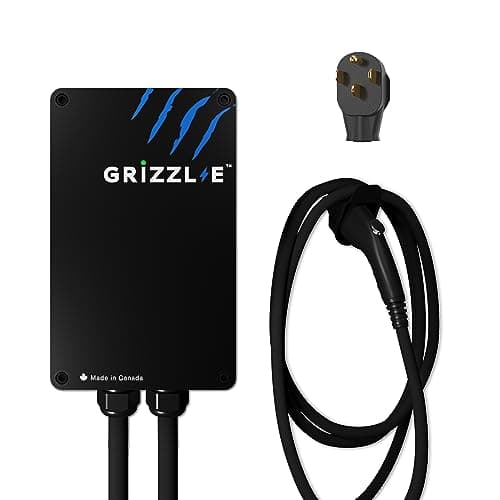
People who want a charger, not an app
Grizzl-E Classic (40A)
The no-app alternative: a UL-certified cast-aluminum box with no Wi-Fi to fail and nothing in the cloud to go dark.
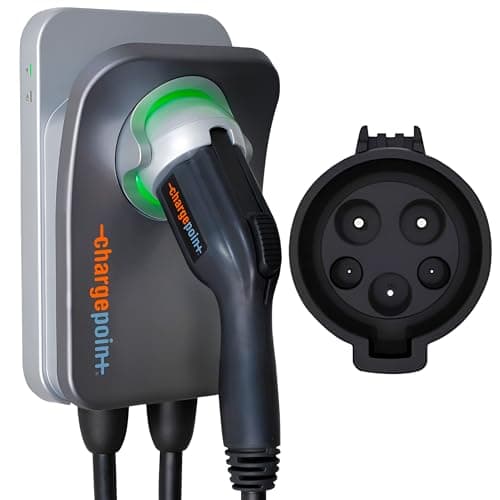
Buyers who want the established brand + one app
ChargePoint Home Flex
The established brand: adjustable up to 50 amps, and one app covers home and public charging.
Full review: Emporia Level 2 →See every Level 2 charger we rank →
#ad · we may earn a commission · As an Amazon Associate we earn from qualifying purchases.
Questions
Frequently asked
Is it normal for my EV charger plug to get warm?
Slightly warm is normal - a plug carrying a large continuous current heats a little, much like any hard-working charger. The test is the back of your hand: if you can hold it against the plug comfortably, it is warm and probably fine. If it is too hot to keep your hand on, that is a warning sign and you should stop charging.
Why is my NEMA 14-50 outlet getting hot when I charge?
Most often because it is a cheap, residential-grade receptacle that was never built for hours of continuous EV current, so its contacts have worn and started to run hot. Other causes are loose terminations, undersized wire, or a damaged connector. All need a licensed electrician, and the usual fix is an industrial-grade 14-50 or hardwiring.
Should I keep charging if the plug is hot?
No. If the plug or outlet is too hot to hold comfortably, stop charging, unplug, and cut the breaker if you can do so safely. Heat at a high-current connection is a fire risk and means a loose or worn contact. Do not use the setup again until an electrician has inspected the receptacle and the wiring.
Does hardwiring stop the plug from overheating?
It removes the most common failure point. A hardwired charger has no receptacle to loosen or wear, so it eliminates the cheap-outlet problem entirely. For a high, continuous load an electrician will often recommend hardwiring over a plug-in outlet where the charger and your plans allow it.
Keep reading
Related
- The NEMA 14-50 Outlet GuideWhy a cheap receptacle is the part that runs hot and fails.
- Best NEMA 14-50 OutletsThe EV-rated and industrial receptacles that resist the overheating in the first place.
- Best NEMA 14-50 ChargersPlug-in units to pair with a properly rated industrial outlet.
- Hardwired vs Plug-InRemoving the plug entirely as the most durable fix.
- EV Charger Tripping the BreakerThe same loose connection that runs hot can trip a breaker.
- Is It Safe to Charge an EV Overnight?Why a properly made connection makes unattended charging safe.
More in this section
More Charging Guides
Receipts
Sources
- EC&M - NEC requirements for EV equipment (Article 625: continuous load, GFCI, terminations)
- US DOE AFDC - charging at home
- US DOE / fueleconomy.gov - EV charging basics
We do not run a testing lab, and we do not pretend to. Where a measured number came from someone else's lab, we name them and link them. Where we could not verify something, we say so on the page rather than quietly leaving it out. Read our full method.