HUB 03 · Charging Guides
EV Charger Permits and Inspection
The paperwork most buyers skip and later regret - why a permit and inspection protect you, what the inspector looks for, and how it fits into your install.
We earn a commission when you buy through our Amazon links, at no extra cost to you. It never affects our rankings, and we say so when the cheaper product is the better buy. How this works.
Installing a Level 2 EV charger almost always means adding a new 240-volt circuit, and in most of the United States that requires an electrical permit and an inspection. It is not bureaucratic box-ticking: the permit is what gets a trained inspector to confirm the work that will carry 30 to 60 amps for hours at a time was done safely. This guide explains what the process is, why it matters, and how it fits your install.
Do you actually need a permit?
For a new dedicated circuit - which nearly every hardwired or NEMA 14-50 install is - the answer is almost always yes. The requirement comes from your local Authority Having Jurisdiction (AHJ), usually a city or county building department that has adopted the NEC. Simply plugging a portable charger into an existing, already-permitted outlet needs nothing new. Adding the outlet or the hardwire is the part that triggers a permit.
Rules are local. Requirements, fees and who may pull the permit vary by jurisdiction. Always confirm with your local building department before work starts - your electrician normally does this as part of the job.
What the inspector checks
An electrical inspection for an EV circuit typically verifies that the install meets NEC Article 625 and the general code:
- Circuit sizing - the breaker and wire gaugeare rated for the continuous load (125 percent of the charger's draw).
- Breaker type and GFCI protection as required for the install.
- Grounding and bonding - a proper equipment ground back to the panel.
- The outlet or hardwire termination - correct, torqued and rated (a common failure point on cheap outlets).
- Panel capacity - that the service can carry the added load, or was upgraded to.
Why skipping it costs you
- Insurance. If unpermitted electrical work is linked to a fire, an insurer can deny the claim. A 240-volt continuous circuit is exactly the kind of work they scrutinize.
- Home sale. Unpermitted work surfaces in inspections and can stall or discount a sale, sometimes forcing you to redo it after the fact.
- Safety. The inspection is a free second set of expert eyes on work that, done wrong, is a fire hazard. That is the real value.
- Rebates. Many utility and tax incentives require a permitted, inspected install to qualify - see EV charger rebates.
How it fits your install
In practice, a licensed electrician pulls the permit, does the work, and schedules the inspection - you rarely touch the paperwork. Budget a modest permit fee (it varies by jurisdiction) and a little scheduling time. Then mount your charger - a rugged unit like the Grizzl-E Ultimate or a value Level 2 pick - onto an install you know is safe and on the record. See Level 2 charger installation for the full sequence.
The gear
Recommended gear for this guide
The products this guide refers to, with prices pulled live from Amazon and dated on each card.
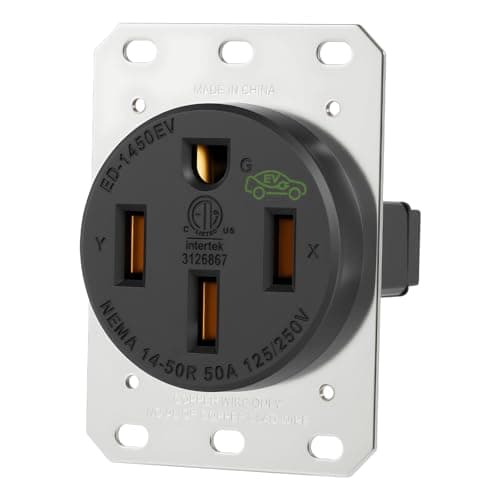
The outlet a plug-in charger needs
Industrial NEMA 14-50 Outlet
The receptacle a plug-in charger actually plugs into — buy the industrial-grade, listed version, because the cheap ones are the exact part that fails.
- Guide
A permanent, weatherproof 48A install
Grizzl-E Ultimate (48A)
A dedicated 48-amp charger in a cast-aluminum, IP67 shell - the toughest full-speed box here, built to be hardwired to a wall and left to work.
#ad · As an Amazon Associate we earn from qualifying purchases.
Questions
Frequently asked
Do I need a permit to install an EV charger?
For a new 240-volt circuit, almost always yes - your local building department requires an electrical permit and inspection. Plugging a portable charger into an existing, already-permitted outlet does not. Confirm the specifics with your local AHJ.
What happens if I install an EV charger without a permit?
The work is not inspected, which risks safety, can void insurance if a fire is traced to it, can complicate a home sale, and may disqualify you from rebates. The permit is cheap insurance against all of that.
Who pulls the permit - me or the electrician?
Usually the electrician, as part of the job. Some jurisdictions let a homeowner pull an owner permit for work on their own home. Either way the install gets inspected before it is energized for good.
Keep reading
Related
- What to Ask on an Install QuoteThe eight questions that make electricians' bids genuinely comparable.
- Can I install it myself?What is DIY and what is licensed work.
- Level 2 charger installationThe full install process.
- EV charger rebatesMany require a permitted install.
- Does it need a disconnect switch?The NEC 625.43 rule the inspector may check.
More in this section
More Charging Guides
Receipts
Sources
- EC&M - NEC Article 625 requirements for EV equipment
- Qmerit - EV home charging installation (permits and process)
We do not run a testing lab, and we do not pretend to. Where a measured number came from someone else's lab, we name them and link them. Where we could not verify something, we say so on the page rather than quietly leaving it out. Read our full method.