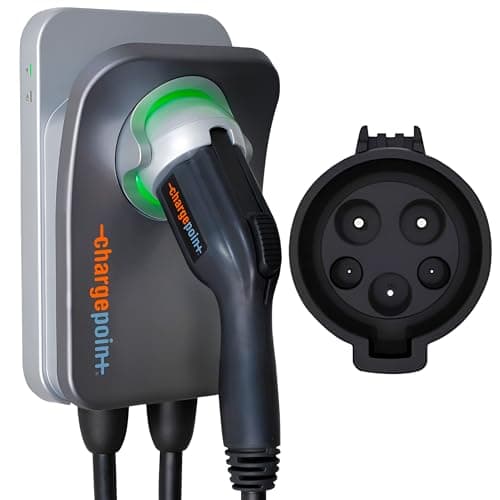
For a cold climate, the charger to buy is the ChargePoint Home Flex. Its published operating range runs to -22 F (and to -40 F at 48 amps or less), and - the part that actually matters - its cable stayed pliable after 14 hours in a -18 F freezer test, where cheaper cables turn to a stiff coil. If you want the same cold tolerance for less, the Emporia Level 2 is the value pick, rated for outdoor use and carrying real energy monitoring.
Buyers in cold climates fixate on the operating temperature on the spec sheet, and it is the wrong thing to worry about. Every quality charger here is rated to roughly -22 to -30 F on the electronics; a hard freeze almost never stops the box from working. What it stops is the cable: a stiff, cold charging cable becomes a wrestling match every morning, harder to uncoil, and more prone to cracking if you force it. That, plus a reliable enclosure and - if you want it - smart scheduling to warm the car before you unplug, is what actually separates a good winter charger from a frustrating one. This page ranks on those. We compile published manufacturer specifications and named third-party cold-weather tests; we do not have a weather chamber, and we say so.
The short version
- ChargePoint Home Flex - best cold-weather charger overall. Rated to -22 F (to -40 F at 16-48A), and its cable held up pliable after 14 hours at -18 F in an independent freezer test - the rare unit that is proven, not just spec-rated, for the cold. Full ChargePoint review.
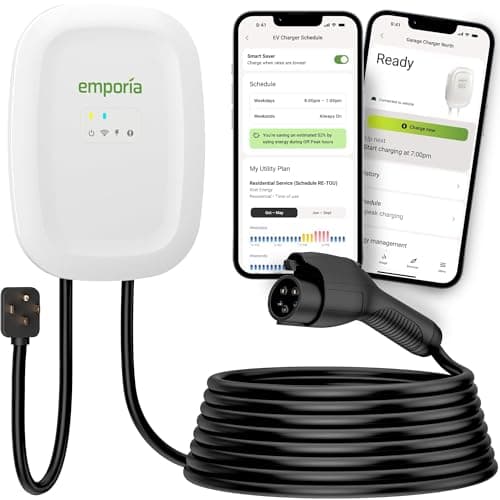
- Emporia Level 2 - best value cold pick. Rated for outdoor use in a NEMA 4 enclosure, 48-amp capable when hardwired, with genuine energy monitoring and scheduling to precondition the car on cheap overnight power. Full Emporia review.
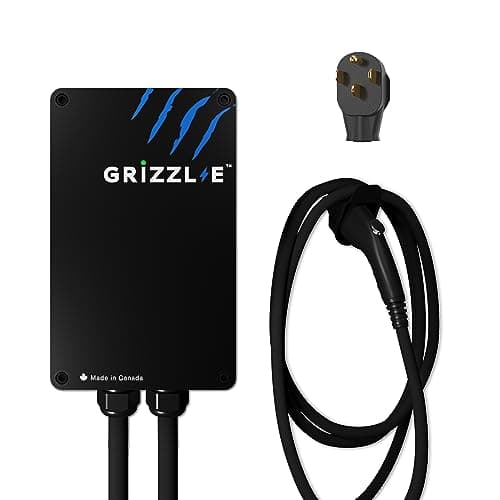
- Grizzl-E Classic - toughest enclosure, with one honest caveat.A cast-aluminum NEMA 4 box that shrugs off ice and has no cloud service to fail in a storm - but its heavy-duty cable is the one that stiffens most in deep cold. Between the Grizzl-E models, the Classic's cable handles the cold better than the beefier Ultimate's. Full Grizzl-E review.
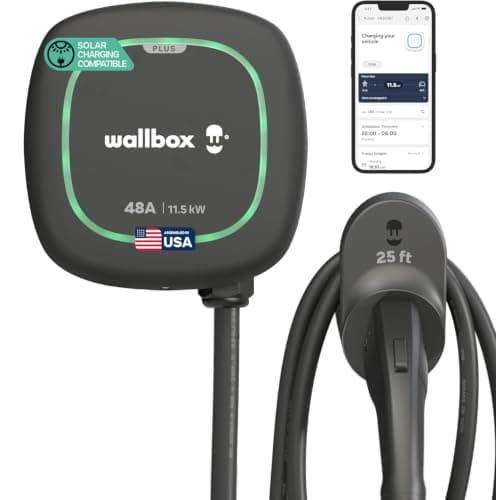
- Wallbox Pulsar Plus - best compact cold install. Rated down to -22 F on the cold end, in the smallest 48-amp body here. Note its published range tops out lower on the hot end than the others - a summer caveat, not a winter one.
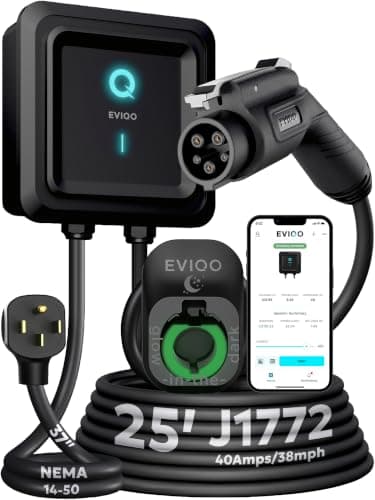
- EVIQO Level 2 - best budget cold pick. An IP66 / NEMA 4, double-listed (UL and ETL) weatherproof unit that usually sits at the bottom of the price band. It also wins our best budget chargers list.
The spec that actually matters in the cold: the cable, not the box
Charging cables are heavy, and the compounds in the jacket stiffen as the temperature drops. In a deep freeze a cheap cable turns into a rigid, tightly coiled thing that is genuinely unpleasant to handle and easier to damage if you force it into a bend it does not want to make. This is the daily reality of winter charging, and it is the spec no listing puts up front. It is why the ChargePoint wins here: in an independent test its cable stayed pliable after 14 hours at -18 F, while heavier cables - the Grizzl-E Ultimate's among them - came out of the same kind of cold stiff and hard to coil. A tough enclosure is worth having, but you touch the cable every single day.
Read the low end of the temperature range
Manufacturers publish an operating temperature range, and in the cold the number that matters is the low end. ChargePoint publishes -22 F (down to -40 F when the Home Flex is set to 48 amps or less), and the Grizzl-E, Emporia and EVIQO units are all rated for sub-freezing outdoor operation in NEMA 4 enclosures. Wallbox is rated to the same -22 F cold end - the difference on the Pulsar Plus is a lower hot-end ceiling, which is a summer consideration covered in our best outdoor chargers guide, not a cold-weather one. In short: the electronics ratings cluster tightly, which is exactly why the cable and the enclosure become the tiebreakers.
Cold slows charging - and that is the car, not the charger
Expect charging to look a little slower in winter, and know that it is almost entirely the battery's doing, not the charger's. A cold battery accepts power more slowly until it warms up, and some of the energy goes to heating the pack rather than filling it. At home on Level 2 the effect is modest - your overnight charge still finishes - and a car with battery preconditioning, or simply scheduling the charge to run into the morning, minimizes it. That is a point in favor of a smart charger like the Emporia or ChargePoint in a cold climate: scheduling lets you warm the car on cheap overnight power so it is ready to drive. The mechanics are in our charging explainer.
The picks, in order
Below the summary table each charger gets a full card with its scores, pros and cons, and a "don't buy this if" note. In short: the ChargePoint wins because it is proven in the cold on the spec that matters most, the Emporia is the value pick with useful winter scheduling, the Grizzl-E Classic has the toughest shell but the stiffest cable, the Wallbox is the compact option, and the EVIQO is the budget weatherproof buy.
How to choose a cold-weather charger
Four things, roughly in the order they will affect your winter.
1. Cable flexibility first
You handle the cable every day; you look at the temperature rating once. Favor a unit with a cable known to stay supple in the cold - the ChargePoint's is the standout here - over a heavier cable that tests stiff. If you are set on a rugged metal-bodied charger, know that the trade is often a stiffer cable, and coil it loosely rather than forcing tight bends when it is frozen.
2. Published low-temperature range
Check the lowend and make sure it comfortably clears the coldest morning you get. Anything rated to -22 F or lower is fine for most of the continental US; the ChargePoint's -40 F rating at 48 amps or less is real headroom for the far north. The ratings on quality units cluster closely, so this is a floor to clear, not usually the deciding spec.
3. Enclosure and no-cloud reliability
Winter is when you least want to troubleshoot a charger on an icy wall. A sealed NEMA 4 enclosure keeps out driving snow and freezing rain, and a unit that charges without depending on a cloud service - the Grizzl-E Classic is the example - cannot be knocked out by a server outage during a storm. If your charger mounts outside, our best outdoor chargers guide ranks the field by enclosure type.
4. Smart scheduling that helps in winter
Smart features earn their keep in the cold specifically. Scheduling the charge to finish just before you leave means the battery is warm and ready, and preconditioning draws from the wall instead of the battery. The Emporia and ChargePoint both give you that; the Grizzl-E and EVIQO are simpler. On a time-of-use rate this doubles as a way to warm the car on the cheapest power - see off-peak charging.
So, which one?
Buy the ChargePoint Home Flex - it is the one proven in the cold on the spec that actually matters, the cable. Want the same cold tolerance for less, with winter scheduling? The Emporia. Want the toughest possible enclosure and no app to fail in a storm, and you can live with a stiffer cable? The Grizzl-E Classic. Tight on wall space? The Wallbox. On a budget? The EVIQO.