HUB 03 · Charging Guides
EV Charger Installation Quotes: What to Ask
The spread between install quotes is rarely about greed - it is about scope. Ask these questions and the bids become comparable, which is when the real price appears.
We earn a commission when you buy through our Amazon links, at no extra cost to you. It never affects our rankings, and we say so when the cheaper product is the better buy. How this works.
Homeowners routinely get EV charger install quotes that differ by a factor of three and assume someone is gouging them. Usually nobody is. The quotes differ because each electrician has silently assumed a different scope - one included the permit and a 60-amp circuit through finished drywall, another priced a surface-mounted conduit run and left the permit to you. Fix the scope and the prices converge. Here is how.
Decide these three things before you call anyone
Half the variation comes from the homeowner, not the electrician. Settle these first and every quote answers the same question:
- Amperage. 32, 40 or 48 amps - and it should be set by what your car accepts, not by what the panel allows. See what amp charger do I need.
- Hardwired or plug-in. This changes the ceiling and the labor. The trade-off is in hardwired vs plug-in.
- Exact mounting location. Walk out and mark the spot. The run length from the panel is the single biggest cost driver, per what installation actually costs.
The eight questions
- Is the permit and inspection included in this price? The single most common reason one bid is cheaper. What that paperwork protects is in permits and inspection.
- What load calculation method did you use, and can I see it? Especially before agreeing to any service upgrade - the load calculation guide explains why the method matters.
- What breaker size and wire gauge, in copper or aluminum? This pins the material spec so bids are comparable; see copper vs aluminum.
- How is the run being routed - fished through walls, surface conduit, or trenched? Concealed work costs more and looks better. Decide which you are buying.
- Is any panel work included - new breaker, subpanel, service upgrade? Get it itemized rather than bundled.
- Does the price include the charger, or is that mine to supply? Supplying your own unit is usually cheaper and lets you choose on the merits - our Level 2 roundup ranks the field with live prices.
- Are drywall patching and paint included? Frequently excluded and frequently a surprise.
- What is the warranty on the labor, and are you licensed and insured for this? Ask for the license number.
Put the answers in one table. Amperage, hardwired or plug-in, run length and method, permit yes or no, panel work, charger supplied by whom, patching, warranty. Two bids that agree on all eight are genuinely comparable; two that do not are quoting different jobs and the cheaper number is meaningless.
Red flags
- "You don't need a permit for this." A new 240-volt circuit almost always does, and skipping it is the kind of saving that reappears at insurance or resale.
- A service upgrade quoted on the first visit with no calculation shown. It may well be right - ask to see the arithmetic before agreeing.
- Reluctance to itemize. A single number with no breakdown cannot be compared with anything.
- Pressure to buy their charger at a markup. The hardware is a commodity with public pricing; the labor is the expertise you are buying.
- Sharing an existing circuit. Charging needs its own dedicated circuit - here is why.
Where the money actually goes
In a straightforward install the labor and materials for the circuit dominate, and the charger is a modest line item beside it. That is why it pays to get the electrical scope right and then buy the charger on its merits rather than the other way round. If your panel situation is the complication, read the panel upgrade guide and smart panels vs a panel upgrade before you accept a service upgrade as inevitable - and if you can put the charger near the panel, do, because distance is cost.
The gear
Recommended gear for this guide
The products this guide refers to, with prices pulled live from Amazon and dated on each card.
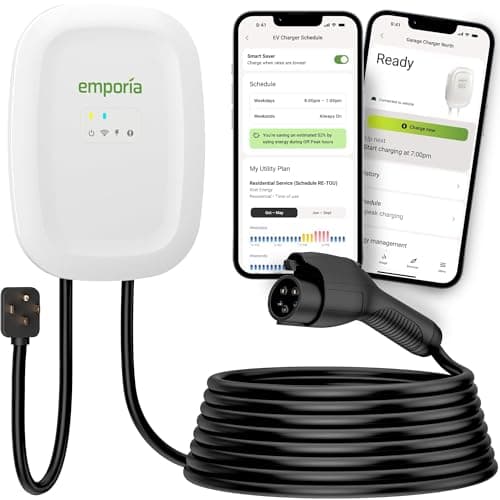
Most homes that want speed and smarts
Emporia Level 2 (48A)
The charger that refuses to charge you extra for being smart: full 48-amp speed and real energy monitoring at roughly the price of a plain plug-in box.
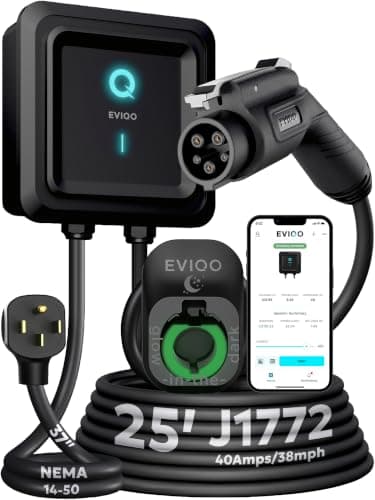
Budget buyers who still want smart features
EVIQO Level 2 (40A)
A double-listed (UL and ETL), IP66-weatherproof smart charger that keeps landing at the bottom of the price band — a lot of certified hardware for the money.
#ad · As an Amazon Associate we earn from qualifying purchases.
Questions
Frequently asked
Why do EV charger install quotes vary so much?
Because they are usually quoting different scopes: permit included or not, concealed wiring or surface conduit, panel work included or not, charger supplied or not. Fix the scope in writing and the spread narrows dramatically.
Should I buy my own charger or let the electrician supply it?
Supplying your own is usually cheaper and lets you pick on features and price rather than on what the contractor stocks. Confirm the electrician is happy to install a customer-supplied unit before you buy.
How many quotes should I get?
Three is the practical number - enough to spot an outlier in either direction. What matters more than the count is that all three are quoting the same eight scope items.
Is the cheapest quote usually missing something?
Frequently, and the usual omission is the permit and inspection. The second most common is drywall repair. Neither is a scandal - they are scope differences - but you should know which one you are buying.
Keep reading
Related
- What Installation Actually CostsThe five drivers behind the number on the quote.
- Permits & InspectionThe line item the cheapest bid usually left out.
- The Load CalculationHow to read the arithmetic behind a panel-upgrade quote.
- Level 2 Installation GuideWhat the job involves from start to inspection.
- Hardwired vs Plug-InThe scope decision to make before you call anyone.
More in this section
More Charging Guides
Receipts
Sources
- EC&M - NEC requirements for EV equipment (Article 625)
- US DOE AFDC - charging an EV at home
- US DOE / fueleconomy.gov - EV charging basics
We do not run a testing lab, and we do not pretend to. Where a measured number came from someone else's lab, we name them and link them. Where we could not verify something, we say so on the page rather than quietly leaving it out. Read our full method.