HUB 03 · Charging Guides
DC Fast Charging vs Level 2 Charging
They are not competitors - they are for different jobs. Level 2 is the slow, cheap, overnight home charge; DC fast charging is the quick, pricier top-up you use on the road.
We earn a commission when you buy through our Amazon links, at no extra cost to you. It never affects our rankings, and we say so when the cheaper product is the better buy. How this works.
People often frame Level 2 and DC fast charging as rivals, but they answer different questions. Level 2 is the AC home charge - slow by the hour, cheap, and perfect for topping up overnight while you sleep. DC fast charging is the roadside quick charge - far faster, more expensive per kWh, and meant for adding range mid-trip. Most owners live on Level 2 at home and touch DC only on road trips. Here is how they actually differ and when each one is right.
The core difference: AC vs DC
Level 2 is AC charging: the wall sends alternating current to the car, and the car's onboard charger converts it, which caps the speed at roughly 7.7 to 11.5 kW. DC fast charging converts to DC in the station and feeds the battery directly, bypassing that onboard limit, so it can deliver 50 to 350 kW. That is the whole reason one takes all night and the other takes 20-40 minutes - the full explanation is in AC vs DC charging.
Speed, and why it does not matter at home
A Level 2 charger adds roughly 20-30 miles of range per hour; a DC fast charger can add 100-200+ miles in the time it takes to get a coffee. That gap sounds decisive until you remember how home charging works: you are parked for 8-12 hours overnight, and Level 2 refills far more range in that window than the average person drives in a day. You wake up full. The speed of DC only matters when you cannot wait - on a trip - so paying for DC-level speed at home would be solving a problem you do not have. This is the case made in is a home EV charger worth it.
Cost and battery health favor Level 2 for daily use
Two more reasons daily charging belongs on Level 2. First, cost: home electricity is far cheaper per kWh than public DC fast charging, and off-peak rates widen the gap further - the running-cost math is in cost to charge at home and the public side in public charging cost. Second, battery habits: routine slow AC charging is the gentle default, and while occasional DC fast charging is fine, leaning on it every day is not the habit longevity data rewards - covered honestly in does fast charging degrade your battery.
You cannot install DC at home anyway
There is also a practical wall here: DC fast chargers are large, expensive, commercial-grade cabinets that need three-phase power most homes do not have. You cannot buy one for your garage, and you would not want to. Home charging is Level 2 (or Level 1), full stop - so the real home decision is not "L2 or DC," it is which Level 2 charger fits your car and panel, which is what a unit like the Emporia answers. DC is a thing you use, not a thing you own.
| Level 2 (AC) | DC fast charging | |
|---|---|---|
| Where | Home, work, destinations | Highway and public sites |
| Speed | ~20-30 mi/hr | ~100-200+ mi in 20-40 min |
| Cost per kWh | Lowest (home rates, off-peak) | Highest (public pricing) |
| Best for | Daily overnight charging | Road trips and quick top-ups |
The takeaway: charge at home on Level 2 for daily driving, and use DC fast charging when you are traveling and the clock matters. They are teammates, not competitors. To choose the right Level 2 unit, start with what amp charger do I need and then the best Level 2 chargers for home; to understand the DC side of a trip, see how long DC fast charging takes.
The gear
Recommended gear for this guide
The products this guide refers to, with prices pulled live from Amazon and dated on each card.
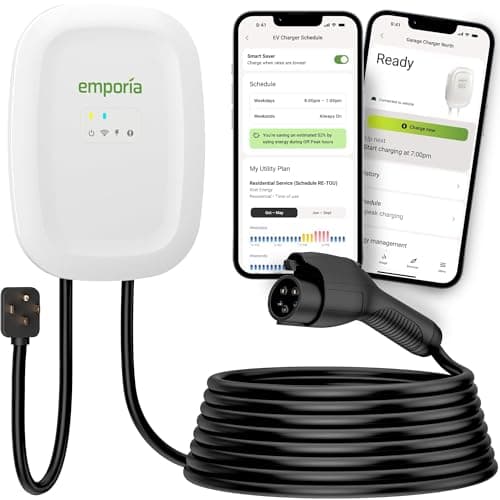
Most homes that want speed and smarts
Emporia Level 2 (48A)
The charger that refuses to charge you extra for being smart: full 48-amp speed and real energy monitoring at roughly the price of a plain plug-in box.
#ad · As an Amazon Associate we earn from qualifying purchases.
Questions
Frequently asked
Should I use DC fast charging or Level 2 at home?
Level 2. DC fast chargers are commercial cabinets you cannot install at a house, and for overnight charging you do not need the speed. Level 2 refills far more range than you drive in a day while you sleep, for a fraction of the cost of public DC.
Is DC fast charging bad for my battery?
Occasional use is fine and designed-for; relying on it daily is not the habit longevity data rewards. Routine slow AC (Level 2) charging is the gentle default. The nuance is in does fast charging degrade your battery.
How much faster is DC than Level 2?
A lot - Level 2 adds ~20-30 miles of range per hour, while DC fast charging can add 100-200+ miles in 20-40 minutes. But that speed only matters when you cannot wait, which is on the road, not overnight at home.
Why is public DC charging more expensive?
Because you are paying for expensive high-power hardware and a commercial site, not cheap home electricity. Home Level 2 charging, especially on off-peak rates, is far cheaper per kWh - see public charging cost.
Keep reading
Related
- AC vs DC EV ChargingThe conversion difference underneath the speed gap.
- Level 1 vs Level 2The two AC home options, both slower than DC and that is fine.
- How Long Does DC Fast Charging Take?The road-trip side, and why the last 20% is slow.
- Cost to Charge at HomeWhy daily Level 2 charging is so much cheaper than public DC.
- Is a Home EV Charger Worth It?Why overnight Level 2 covers almost all daily driving.
More in this section
More Charging Guides
Receipts
Sources
- US DOE AFDC - EV charging infrastructure & connector standards
- US DOE / fueleconomy.gov - EV charging basics
- US DOE Energy Saver - electric vehicles
We do not run a testing lab, and we do not pretend to. Where a measured number came from someone else's lab, we name them and link them. Where we could not verify something, we say so on the page rather than quietly leaving it out. Read our full method.