HUB 03 · Charging Guides
How Long Does It Take to Install an EV Charger?
The wiring is often a half-day of work. The calendar is set by permits, inspection, and any panel work - which is why the whole project can run a week or two.
We earn a commission when you buy through our Amazon links, at no extra cost to you. It never affects our rankings, and we say so when the cheaper product is the better buy. How this works.
There are two clocks on an EV charger install, and people usually mean the first when they ask this. The hands-on work - mounting the charger and running a short dedicated circuit to a nearby panel with a free breaker space - is often a few hours, sometimes a full day. The calendar for the whole project is different: permits, inspection, and any panel or long-run work can stretch it to a week or two. Here is what sets each.
The simple case: a few hours
The fast install is a house with a modern main panel that has an open breaker space, a parking spot near the panel, and enough spare service capacity. In that situation the electrician mounts the charger, runs a short dedicated 240-volt circuit, lands the breaker, and commissions the unit - commonly a half-day of labor. A plug-in unit on an existing, properly rated NEMA 14-50 outlet is faster still: if the circuit is already there, mounting the charger and plugging in is close to a hang-it-and-go job. This is the scenario behind most of the quick numbers you see, and it is why an adjustable plug-in unit like the Emporia is popular - no hardwiring step.
What stretches the physical job
The install takes longer when the electrical situation is harder: a full panel that needs a subpanel or tandem breakers, a service panel upgrade because the house is out of capacity, a long run to a detached garage with a trench, or fishing conductors through finished walls. Each of those turns a half-day into a full day or more of labor. A hardwired 48-amp unit on a new 60-amp circuit also takes a little longer than a plug-in because the electrician terminates directly and there is no receptacle to lean on.
The calendar: permits and inspection
This is the part that surprises people. Most jurisdictions require a permit for a new 240-volt circuit and an inspection afterward, and the permit and the inspector's schedule are not under your electrician's control. Pulling the permit, doing the work, and getting the finished install inspected and signed off can easily span one to two weeks even when the physical work is a single afternoon. The process itself is worth doing right - it is covered in EV charger permit and inspection - and it is the single biggest reason the project calendar is longer than the labor hours.
Two more scheduling realities: booking a licensed electrician can take days to a couple of weeks depending on demand in your area, and if your panel needs a utility coordination step (for a service upgrade) that adds its own lead time. None of this is charger-specific - it is ordinary electrical project scheduling - but it is why "how long does the install take" is really two questions.
Mounting a charger, running a dedicated 240-volt circuit, and any panel or subpanel work are standard NEC tasks for a licensed electrician, never a DIY project - and the permit and inspection are part of doing it right, not optional paperwork to skip to save time. Use this guide to set expectations, then let a pro schedule and complete the work to code.
The realistic answer
For a straightforward house, expect a few hours of on-site work but plan for one to two weeks start to finish once you factor in booking, the permit, and inspection. For a harder electrical job - a panel upgrade or a long detached-garage run - the on-site time grows and so does the calendar. Get a quote that spells out both the labor and the permitting timeline, and pair it with the installation-cost breakdown so there are no surprises. If you want the flexibility to skip the hardwire step, an adjustable unit like the ChargePoint Home Flex plugs into a rated 14-50 and shortens the on-site work - the plug-in units are marked as such in the best Level 2 chargers for home.
The gear
Recommended gear for this guide
The products this guide refers to, with prices pulled live from Amazon and dated on each card.
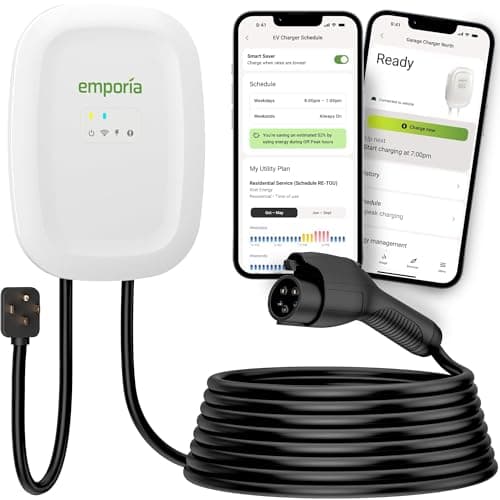
Most homes that want speed and smarts
Emporia Level 2 (48A)
The charger that refuses to charge you extra for being smart: full 48-amp speed and real energy monitoring at roughly the price of a plain plug-in box.
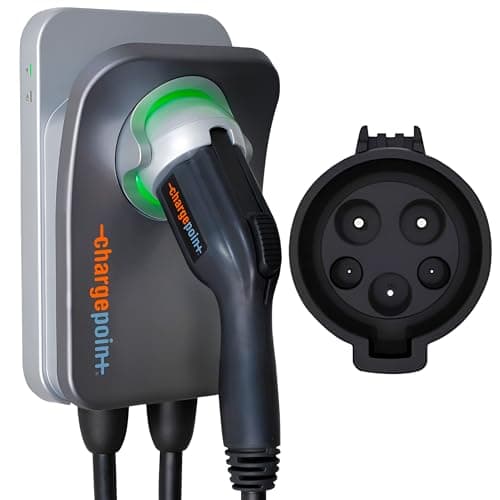
Buyers who want the established brand + one app
ChargePoint Home Flex
The mature, well-supported pick — amperage you dial in up to 50A, wired into the biggest public-charging app in North America. You pay for the polish.
#ad · As an Amazon Associate we earn from qualifying purchases.
Questions
Frequently asked
How long does the actual charger install take?
For a typical house with a modern panel and a nearby parking spot, the hands-on work is often a few hours to a half-day. A plug-in unit on an existing rated outlet is faster; a hardwired unit or a long run takes longer.
Why does the whole project take a week or two?
Because of scheduling and permitting, not the labor. Booking an electrician, pulling the permit, and getting the finished work inspected and signed off can span one to two weeks even when the physical install is a single afternoon - see permit and inspection.
Is a plug-in charger faster to install than a hardwired one?
Usually yes, if a properly rated NEMA 14-50 outlet already exists - the charger just mounts and plugs in. If the circuit still has to be installed, the difference shrinks, because running the dedicated circuit is the bulk of the work either way.
What makes an install take a full day or more?
A full panel needing a subpanel, a service upgrade, a long run to a detached garage with trenching, or fishing wire through finished walls. Each turns a half-day job into a full day or more of labor.
Keep reading
Related
- EV Charger Installation CostWhat the labor and permitting on that timeline actually cost.
- EV Charger Permit and InspectionThe step that sets the project calendar more than the labor does.
- Level 2 Charger InstallationThe full walkthrough of what the electrician does on the day.
- EV Charger in a Detached GarageThe long-run case that stretches both clocks.
- Do I Need a Panel Upgrade?The service work that adds utility lead time to the schedule.
More in this section
More Charging Guides
Receipts
Sources
- EC&M - NEC requirements for EV equipment (Article 625: continuous load, circuit sizing, GFCI, disconnect)
- US DOE AFDC - charging an EV at home
- US DOE / fueleconomy.gov - EV charging basics
We do not run a testing lab, and we do not pretend to. Where a measured number came from someone else's lab, we name them and link them. Where we could not verify something, we say so on the page rather than quietly leaving it out. Read our full method.