HUB 03 · Charging Guides
Can You Use an Extension Cord for an EV Charger?
The short answer is: avoid it - and here is why, plus the fixes that actually solve a reach problem safely.
We earn a commission when you buy through our Amazon links, at no extra cost to you. It never affects our rankings, and we say so when the cheaper product is the better buy. How this works.
It is one of the most-searched EV-charging questions: can I just run my charger through an extension cord? Nearly every charger manufacturer says no - and the reason is not fine print, it is heat. Here is what actually goes wrong, and the better ways to solve the reach problem that made you ask.
Why manufacturers warn against it
EV charging is a high, continuous load - many amps for hours at a stretch. That is exactly the condition ordinary extension cords are worst at. Three things go wrong:
- Undersized wire overheats. A cord too thin for the current heats up along its whole length. A charger pulls far more, for far longer, than the lamp or drill most cords are built for - so a cord that feels fine for an hour can become a fire risk over a full charge.
- Every connection is a hot spot. The plug-to-socket junction where the cord meets the charger and the wall is where resistance - and heat - concentrates. Add a cord and you add two more of these junctions, each a place to loosen, corrode, or melt.
- Outdoors makes it worse. Moisture, coiled cord trapping its own heat, and being walked or driven over all stack risk onto a connection that is already working hard.
This is why a Level 1 cordset in particular should plug straight into the wall, and why charger manuals put the no-extension-cord warning in bold.
The safer fixes for a reach problem
Usually the real issue is not "I need a cord," it is "the charger cannot reach the car." Solve that at the source instead:
- Buy a charger with a longer cable. The cleanest fix. Many Level 2 units come with 25-foot cables - long enough to cross a two-car garage and park either direction. Our best Level 2 roundup notes cable lengths.
- Mount the charger in a better spot. Moving the unit a few feet, or to the other side of the garage, often beats any cord - and an electrician can relocate the circuit.
- Add a properly-installed outlet where you need it.A new NEMA 14-50 on a correct 50-amp circuit at the parking spot is the safe version of "extending" reach. See our outlet guide.
If you absolutely must bridge a short gap temporarily, only ever use a heavy-gauge cord rated for the full continuous current, kept short, uncoiled, dry, and never left unattended - and treat it as a stopgap, not a solution. A permanent fix (longer cable, relocated charger, or a new outlet) is always the right answer. When in doubt, follow your charger manufacturer's instructions.
Bottom line: skip the extension cord. It is the cheap fix that trades a real fire risk for a reach problem you can solve properly - most often just by choosing a charger with a longer cable in the first place.
Time to replace it?
If the fix does not hold, here is what we would buy
Most of the time the steps above get a charger working again, and you should give them a fair run first. But when the same fault keeps coming back after you have worked through them, or the unit is out of warranty, it is worth doing the math: replacing a home charger is often cheaper than paying for a service call to diagnose it, and the new one arrives with a fresh warranty. We are not saying yours is broken - only that if it is, these are the Level 2 chargers we would replace it with. All three lead our ranked Level 2 roundup, and every price is pulled live from Amazon.
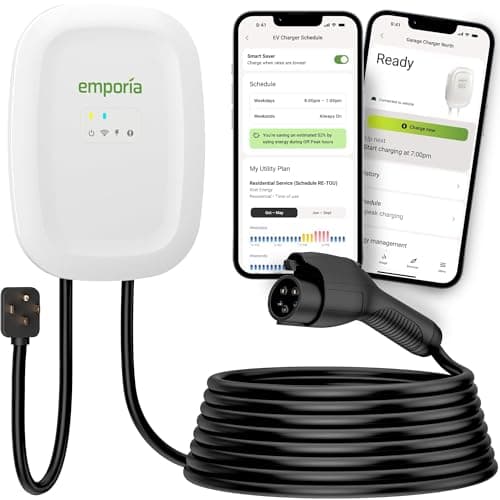
Most homes that want speed and smarts
Emporia Level 2 (48A)
Our top Level 2 pick: 48-amp capable when hardwired, real energy monitoring, priced like a plain plug-in box.
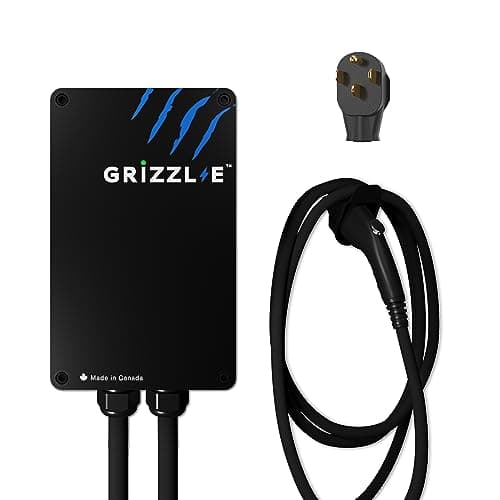
People who want a charger, not an app
Grizzl-E Classic (40A)
The no-app alternative: a UL-certified cast-aluminum box with no Wi-Fi to fail and nothing in the cloud to go dark.
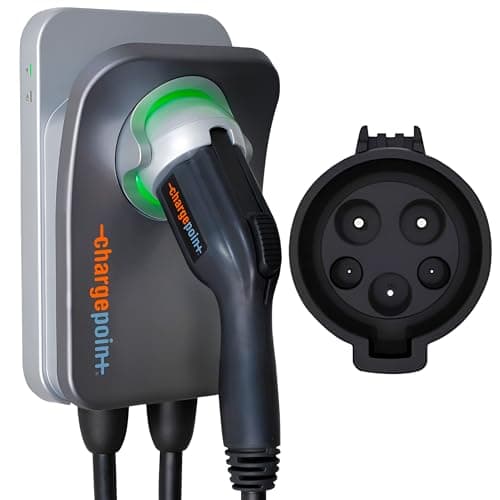
Buyers who want the established brand + one app
ChargePoint Home Flex
The established brand: adjustable up to 50 amps, and one app covers home and public charging.
Full review: Emporia Level 2 →See every Level 2 charger we rank →
#ad · we may earn a commission · As an Amazon Associate we earn from qualifying purchases.
Questions
Frequently asked
Is it safe to use an extension cord with an EV charger?
Manufacturers advise against it, and for good reason: EV charging is a high, continuous load that can overheat an undersized cord and its extra connections. The safe fixes are a charger with a longer cable, relocating the charger, or adding a properly-installed outlet where you park.
What kind of cord could I use if I have no choice?
Only a heavy-gauge cord rated for the full continuous current, kept short, uncoiled and dry, and never left unattended - and only as a temporary stopgap. It is not a substitute for a proper install. Always follow your charger's manual, which may prohibit any cord at all.
What is the best alternative to an extension cord?
Buy a charger with a longer cable - many come with 25-foot cords that reach across a two-car garage. If that is not enough, have an electrician relocate the charger or install a new outlet at the parking spot. Both solve reach without the heat risk a cord adds.
Keep reading
Related
- Best Level 2 Home ChargersUnits with long cables that solve reach without a cord.
- NEMA 14-50 Outlet GuideAdd a safe outlet where you actually park.
- Best Portable EV ChargersThe right tool when you need charging flexibility.
- Best EV Charging Extension CablesThe different product: a J1772 or NACS cable on the car side of the charger, not a household cord.
More in this section
More Charging Guides
Receipts
Sources
We do not run a testing lab, and we do not pretend to. Where a measured number came from someone else's lab, we name them and link them. Where we could not verify something, we say so on the page rather than quietly leaving it out. Read our full method.