HUB 03 · Charging Guides
EV Charger Tripping the Breaker: Causes and Fixes
A breaker that trips is doing its job - it is telling you something about the circuit. Here are the usual culprits, in order, and which need an electrician.
We earn a commission when you buy through our Amazon links, at no extra cost to you. It never affects our rankings, and we say so when the cheaper product is the better buy. How this works.
A tripping breaker is a safety device working, not a nuisance to defeat. Never "fix" it by fitting a bigger breaker - that removes the protection sized to your wire and is a fire hazard. Work through these causes in order instead. Several point straight to a licensed electrician, and this is a case where that is the right call.
Do not up-size the breaker to stop the trips. The breaker is matched to the wire. A bigger breaker lets the wire overheat before it trips - the exact scenario that starts fires. If trips persist, the answer is diagnosis, not a bigger breaker.
1. The charger draws more than the circuit is rated for
If a charger is set to 40 amps on a circuit only rated for 32, it will overload and trip. This is common after someone raises the amperage in the app past what the wiring supports. The fix is to set the charger to no more than 80 percent of the breaker (a 50-amp circuit -> 40-amp max), matching the sizing rules. If you need more speed, the circuit has to be upgraded, not the charger turned up.
2. It is sharing the circuit with something else
An EV charger needs a dedicated circuit. If it shares one with a dryer, a workshop, or other outlets, the combined load trips the breaker. The fix is a dedicated circuit for the charger - a licensed-electrician job. See Level 2 charger installation.
3. Nuisance GFCI double-protection
Most EVSE already contain built-in ground-fault protection. Put that on top of a GFCI breaker and the two can conflict, causing random trips even when nothing is wrong. Depending on the install and local code, the fix is the correct breaker type for a hardwired EVSE - a common, well-documented issue your electrician will recognize. Our GFCI breakers and EV chargers guide covers it in depth.
4. Moisture or a damaged outlet
Water in an outdoor outlet or connector, or a corroded/failing NEMA 14-50 receptacle, causes ground faults that trip the breaker. Look for moisture, discoloration or heat at the outlet. A weatherproof enclosure and a rugged charger like the Grizzl-E Ultimate help outdoors - but a damaged outlet must be replaced by an electrician, not worked around.
5. A faulty charger or car
Rarely, the EVSE or the car's onboard charger develops a genuine fault that trips protection. Test the charger on another suitable circuit, or the circuit with another device, to isolate which is at fault, then contact the manufacturer under warranty. If it is out of warranty, weigh a repair against the best Level 2 home chargers we've compared before paying for a diagnosis.
Safe triage order:check the amperage setting -> confirm it is a dedicated circuit -> suspect a GFCI conflict -> inspect for moisture/outlet damage -> isolate a faulty charger or car. When it involves the wiring, breaker or outlet, call a licensed electrician.
The gear
Recommended gear for this guide
The products this guide refers to, with prices pulled live from Amazon and dated on each card.
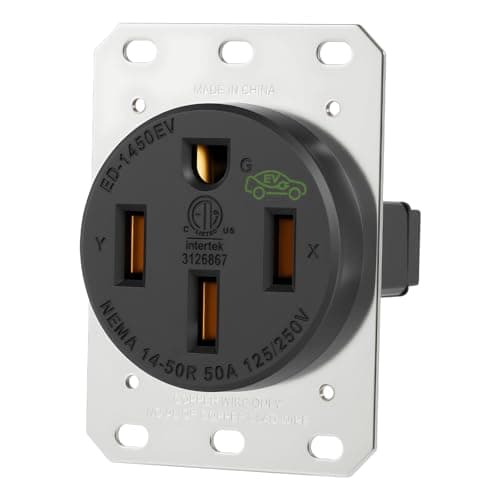
The outlet a plug-in charger needs
Industrial NEMA 14-50 Outlet
The receptacle a plug-in charger actually plugs into — buy the industrial-grade, listed version, because the cheap ones are the exact part that fails.
- Guide
A permanent, weatherproof 48A install
Grizzl-E Ultimate (48A)
A dedicated 48-amp charger in a cast-aluminum, IP67 shell - the toughest full-speed box here, built to be hardwired to a wall and left to work.
#ad · As an Amazon Associate we earn from qualifying purchases.
Time to replace it?
If the fix does not hold, here is what we would buy
Most of the time the steps above get a charger working again, and you should give them a fair run first. But when the same fault keeps coming back after you have worked through them, or the unit is out of warranty, it is worth doing the math: replacing a home charger is often cheaper than paying for a service call to diagnose it, and the new one arrives with a fresh warranty. We are not saying yours is broken - only that if it is, these are the Level 2 chargers we would replace it with. All three lead our ranked Level 2 roundup, and every price is pulled live from Amazon.
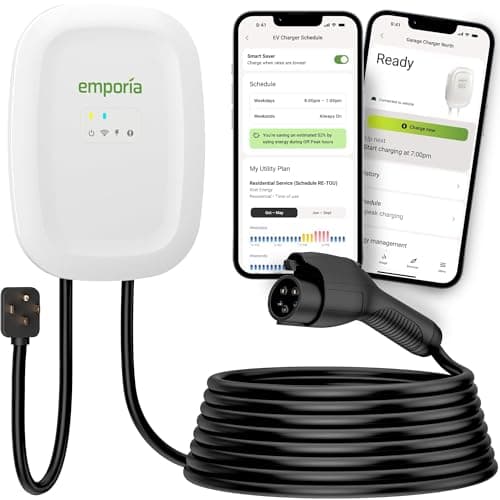
Most homes that want speed and smarts
Emporia Level 2 (48A)
Our top Level 2 pick: 48-amp capable when hardwired, real energy monitoring, priced like a plain plug-in box.
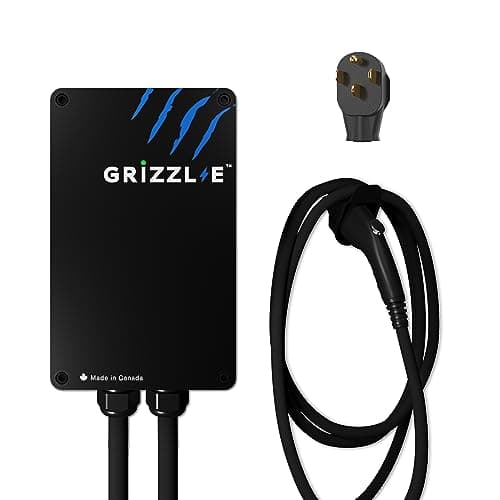
People who want a charger, not an app
Grizzl-E Classic (40A)
The no-app alternative: a UL-certified cast-aluminum box with no Wi-Fi to fail and nothing in the cloud to go dark.
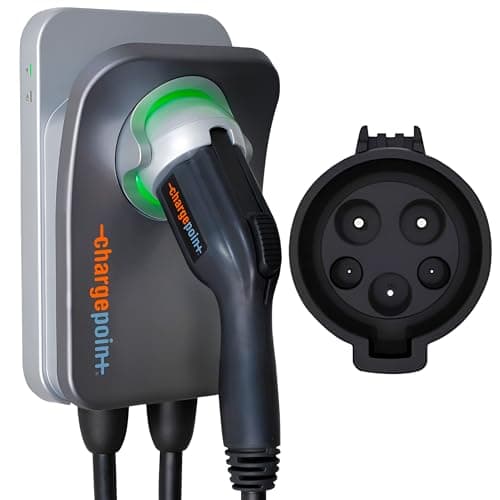
Buyers who want the established brand + one app
ChargePoint Home Flex
The established brand: adjustable up to 50 amps, and one app covers home and public charging.
Full review: Emporia Level 2 →See every Level 2 charger we rank →
#ad · we may earn a commission · As an Amazon Associate we earn from qualifying purchases.
Questions
Frequently asked
Why does my EV charger keep tripping the breaker?
Usually because the charger draws more than the circuit is rated for, it is sharing a non-dedicated circuit, or a GFCI breaker is conflicting with the charger's built-in ground-fault protection. Moisture or a failing outlet are other common causes. Diagnose the cause - never fit a bigger breaker.
Can I put in a bigger breaker to stop the tripping?
No - that is dangerous. The breaker is sized to protect the wire; a bigger one lets the wire overheat before it trips. If you need more current, the whole circuit (wire and breaker) must be upgraded by an electrician.
Why does my EV charger trip a GFCI breaker specifically?
Most EV chargers already have built-in ground-fault protection, and stacking a GFCI breaker on top can cause nuisance trips. The fix is the correct breaker for a hardwired EVSE per your install and code - see GFCI breakers and EV chargers.
Keep reading
Related
More in this section
More Charging Guides
Receipts
Sources
We do not run a testing lab, and we do not pretend to. Where a measured number came from someone else's lab, we name them and link them. Where we could not verify something, we say so on the page rather than quietly leaving it out. Read our full method.