HUB 03 · Charging Guides
Can I Install an EV Charger Myself?
The honest answer: mounting and plugging in a portable charger, yes - wiring the 240-volt circuit it needs, that is licensed electrical work for good reasons.
We earn a commission when you buy through our Amazon links, at no extra cost to you. It never affects our rankings, and we say so when the cheaper product is the better buy. How this works.
There are two very different jobs hiding inside "installing an EV charger." Mounting the unit and plugging it into an existing, properly rated 240-volt outlet is something a confident owner can do. Running the new high-amperage circuit that feeds it - wire, breaker, panel connection - is licensed electrical work, and this guide explains why we do not recommend doing that part yourself.
Safety first, plainly: a 240-volt EV circuit carries a continuous 30 to 60 amps. Undersized wire, a loose lug, or a missing ground is a real fire and shock hazard, and EV charging runs that current for hours at a time. When in doubt, hire a licensed electrician. Nothing in this guide is a substitute for one.
What an owner can reasonably do
- Mount the charger on the wall and manage the cable - the mechanical part is straightforward.
- Plug a portable or plug-in unit into an existing, rated outlet. If a correctly installed NEMA 14-50 on a proper circuit already exists, plugging in a portable EVSE is genuinely plug-and-play.
- Set the amperage in the app or dial to match the circuit you were told it is on.
What should be left to a licensed electrician
- Running a new 240-volt circuit - selecting and pulling the right wire gauge and breaker, and landing them safely.
- Installing the outlet or hardwiring the unit - a continuous EV load punishes a sloppy termination; this is exactly where cheap DIY outlets overheat.
- Anything at the panel - adding a breaker, or a service/panel upgrade, means working near the incoming service, which is dangerous and, in most places, not legal to self-permit.
The code and permit reality
EV charging equipment is covered by NEC Article 625, which sets the continuous-load sizing (a circuit rated 125 percent of the charger's draw), GFCI rules, and more. Beyond the code, most jurisdictions require an electrical permit and inspection for a new EV circuit - and many limit who may pull that permit to a licensed electrician or the homeowner under specific conditions. Skipping the permit can void insurance and complicate a future home sale. See our permit and inspection guide.
The pragmatic recommendation
If you want the lowest-risk, lowest-hassle path: have a licensed electrician install a NEMA 14-50 outlet on a dedicated circuit (pulling the permit as part of the job), then plug in a portable or plug-in Level 2 charger yourself - a value unit like the Emporia is a fine choice, and the best Level 2 home chargers we've compared marks which units are plug-in. You get the satisfaction and savings of handling the charger while the dangerous, code-governed part is done right. For the full picture, see Level 2 charger installation.
The gear
Recommended gear for this guide
The products this guide refers to, with prices pulled live from Amazon and dated on each card.
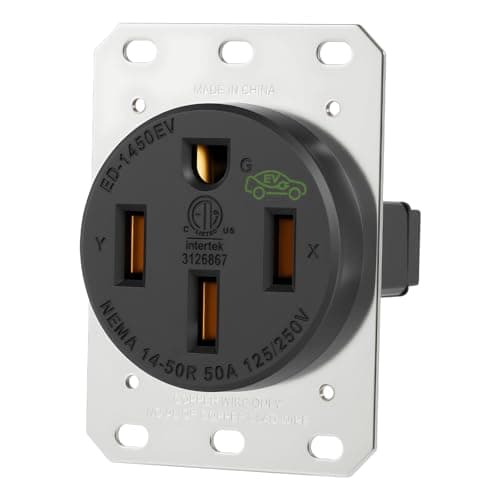
The outlet a plug-in charger needs
Industrial NEMA 14-50 Outlet
The receptacle a plug-in charger actually plugs into — buy the industrial-grade, listed version, because the cheap ones are the exact part that fails.
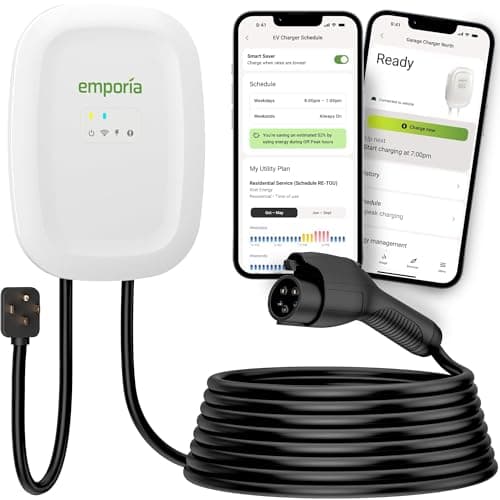
Most homes that want speed and smarts
Emporia Level 2 (48A)
The charger that refuses to charge you extra for being smart: full 48-amp speed and real energy monitoring at roughly the price of a plain plug-in box.
#ad · As an Amazon Associate we earn from qualifying purchases.
Questions
Frequently asked
Can I install a NEMA 14-50 outlet for my EV charger myself?
We do not recommend it. A 240-volt, 50-amp circuit carries serious current continuously, and most jurisdictions require a permit and inspection. This is licensed-electrician work; a bad termination is a genuine fire risk. See the NEMA 14-50 guide.
Is it legal to install my own EV charger?
It depends on your jurisdiction. Many allow a homeowner to do permitted work on their own home under inspection; many do not for panel or service changes. Running a new circuit almost always needs a permit either way - check locally first.
What part of an EV charger install can I safely do?
Mounting the charger and plugging a portable or plug-in unit into an existing, properly rated and inspected 240-volt outlet. The wiring, the outlet install, and anything at the panel should be done by a licensed electrician.
Keep reading
Related
More in this section
More Charging Guides
Receipts
Sources
We do not run a testing lab, and we do not pretend to. Where a measured number came from someone else's lab, we name them and link them. Where we could not verify something, we say so on the page rather than quietly leaving it out. Read our full method.