HUB 03 · Charging Guides
Do I Need a Subpanel for an EV Charger?
Sometimes - and for a specific reason. A subpanel adds breaker spaces and can sit closer to the garage, but it does not add service capacity. Here is when it helps.
We earn a commission when you buy through our Amazon links, at no extra cost to you. It never affects our rankings, and we say so when the cheaper product is the better buy. How this works.
Most EV chargers do not need a subpanel. A subpanel earns its place in three specific situations: your main panel has no open breaker spaces left, the charger sits a long way from the main panel, or you are adding several garage circuits at once and want them grouped. It is worth being precise about what a subpanel does and does not do, because the single most common misunderstanding - that a subpanel gives your home more power - is wrong, and it changes the whole decision.
What a subpanel actually is
A subpanel is a smaller breaker panel fed from your main panel through a single large circuit called a feeder. Think of it as a branch office: the main panel is still headquarters and still holds all the power your utility delivers, but the subpanel gives you a second place to land breakers - often somewhere more convenient, like inside or beside the garage. The charger's dedicated circuit then runs off the subpanel instead of all the way back to the main.
The critical point is capacity. A subpanel does NOT add service capacity to your home. Your main service amperage - 100, 150, or 200 amps - still governs everything, and whether a charger fits is still settled by an NEC Article 220 load calculation on the whole house, exactly as it would be without a subpanel. If your service is genuinely maxed out, a subpanel does not solve that; only a service upgrade does. We cover that decision in do I need a panel upgrade for an EV charger and the tight-service case in installing a charger on a 100-amp panel.
Reason 1: the main panel is full
A Level 2 charger needs its own dedicated two-pole breaker - a 50-amp breaker for a 40-amp charger, a 60-amp breaker for a 48-amp charger. If every slot in your main panel is already occupied, there is physically nowhere to land that breaker. A subpanel is one clean answer: the electrician runs a feeder from the main to a new subpanel that has open spaces, and the charger circuit lands there. This is common in older homes whose panels filled up long before anyone thought about a car in the garage.
A subpanel is not the only fix for a full panel - tandem breakers or a panel replacement can also work, and which one is right depends on your specific panel and load. That choice belongs to a licensed electrician, who confirms both the free capacity and the physical fit.
Reason 2: the charger is far from the panel
When the parking spot is a long way from the main panel - a detached garage, the far end of the house, a driveway pole - running a single heavy charger circuit that whole distance can get expensive, because long runs of large-gauge wire add up and long distances can force an even larger conductor to manage voltage drop. A tidier approach is often to run one feeder out to a subpanel mounted near the parking spot, then land the short charger circuit right there. It also leaves you room to add a garage light or outlet later without another long run. The distance trade-offs are the subject of how far an EV charger can be from the panel, and the conductor choices in copper vs aluminum wire for an EV charger.
Reason 3: you are adding several circuits
If the EV charger is part of a bigger garage or workshop plan - a charger, a couple of receptacles, shop lighting, maybe a second charger later - a subpanel is the organized way to feed them all. One feeder carries the load out, and the subpanel distributes it locally. This is planning ahead rather than solving an immediate problem, and it is a reasonable move when you already know more circuits are coming. If a second EV is on the horizon, pair this with the dedicated-circuit rule, because each charger still needs its own line off the subpanel.
How the feeder is wired
A modern subpanel is fed with a four-wire feeder: two hot conductors, a neutral, and a separate equipment ground. Inside the subpanel, the neutral and ground bars are kept isolated from each other - they are only bonded together back at the main panel. That detail matters for safety and is one of the reasons subpanel work is firmly a licensed-electrician job rather than a weekend project. The sizing of that feeder and the charger circuit it serves follows the same NEC rules as any other run; see EV charger wire and breaker size. The four-wire feeder carries a neutral even though the charger itself does not use one - the same wrinkle that shows up on a plug-in outlet, covered in does an EV charger need a neutral wire.
Adding a subpanel, running its feeder, and setting the isolated neutral and ground bars is standard NEC work and strictly a job for a licensed electrician - never a DIY project. A subpanel wired with the neutral and ground bonded together, or fed by an undersized feeder, is a genuine shock and fire hazard. Use this guide to understand when a subpanel makes sense, then have a pro run the Article 220 load calculation and install it to code.
So do you need one?
Only if one of those three situations applies. A home with open breaker spaces, a short run to the parking spot, and no other new circuits planned does not need a subpanel at all - the charger goes on a single dedicated circuit off the main. When you do need one, remember it is buying you breaker spaces and a closer distribution point, not more power. Whether the charger fits is always the load calculation's answer, and that is your electrician's call. Once the electrical side is sorted, an adjustable smart unit like the Emporia or the ChargePoint Home Flex lets you set the amperage to match whatever the subpanel and load calculation leave free - it places third in our ranked Level 2 chargers, and every unit on that list carries its adjustable range. Before any of it, get the paperwork right in EV charger permit and inspection.
The gear
Recommended gear for this guide
The products this guide refers to, with prices pulled live from Amazon and dated on each card.
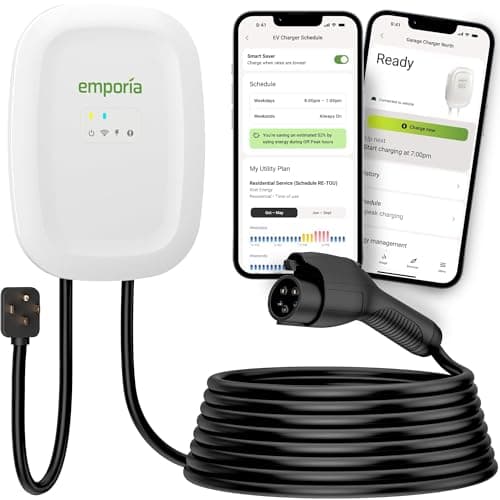
Most homes that want speed and smarts
Emporia Level 2 (48A)
The charger that refuses to charge you extra for being smart: full 48-amp speed and real energy monitoring at roughly the price of a plain plug-in box.
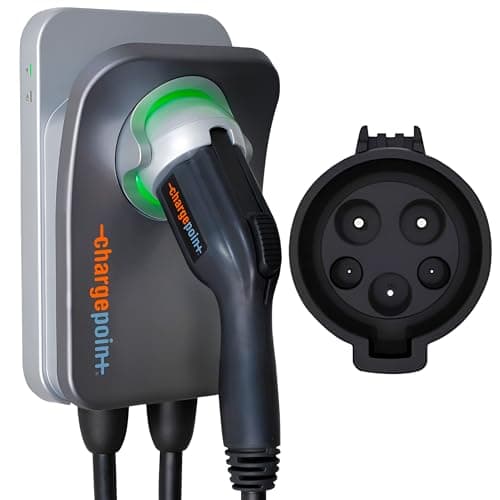
Buyers who want the established brand + one app
ChargePoint Home Flex
The mature, well-supported pick — amperage you dial in up to 50A, wired into the biggest public-charging app in North America. You pay for the polish.
#ad · As an Amazon Associate we earn from qualifying purchases.
Questions
Frequently asked
Does a subpanel give my house more electrical capacity?
No. A subpanel adds breaker spaces and a closer distribution point, but your main service amperage still governs the whole home. If an NEC Article 220 load calculation shows your service is maxed out, you need a service upgrade, not a subpanel. See do I need a panel upgrade.
Can I add a subpanel myself to save money?
No. Feeder sizing, the isolated neutral and ground bars, and bonding are all safety-critical and a licensed electrician's job. A miswired subpanel is a shock and fire hazard, and the work needs a permit and inspection in most jurisdictions.
Is a subpanel better than one long charger circuit?
Often, when the parking spot is far from the main panel or you plan to add more circuits. One feeder to a nearby subpanel can be tidier than a single long heavy run and leaves room to expand. Your electrician weighs the distance and future plans - see how far a charger can be from the panel.
Does a subpanel change what charger I can buy?
Not directly - the charger still lands on a dedicated circuit off the subpanel, sized to 125 percent of its draw. What matters is the free capacity the load calculation finds. An adjustable charger lets you dial the amperage to fit whatever the subpanel and service leave available.
Keep reading
Related
- Smart Panels vs a Panel UpgradeManaging demand instead of adding capacity, and when the upgrade is still right.
- Do I Need a Panel Upgrade for an EV Charger?When the fix is more service, not just more breaker spaces.
- How Far Can an EV Charger Be From the Panel?The distance case that often argues for a nearby subpanel.
- Copper vs Aluminum Wire for an EV ChargerThe conductor choice that decides the cost of a long feeder.
- EV Charger Wire and Breaker SizeSizing the feeder and the charger circuit it serves.
- EV Charger on a 100-Amp PanelWhy a subpanel does not rescue a genuinely full service.
More in this section
More Charging Guides
Receipts
Sources
- EC&M - NEC requirements for EV equipment (Article 625: continuous load, circuit sizing, GFCI, disconnect)
- US DOE AFDC - charging at home
- US DOE Energy Saver - Electric Vehicles
We do not run a testing lab, and we do not pretend to. Where a measured number came from someone else's lab, we name them and link them. Where we could not verify something, we say so on the page rather than quietly leaving it out. Read our full method.