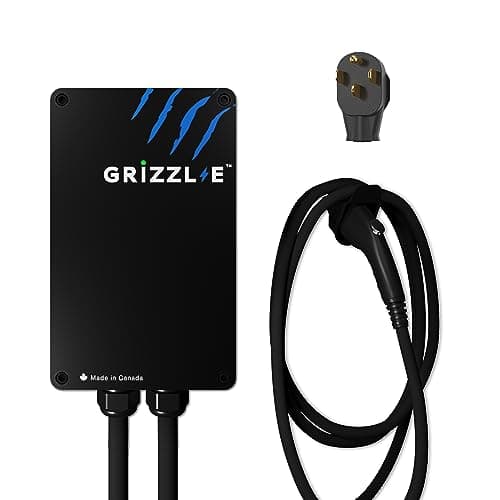
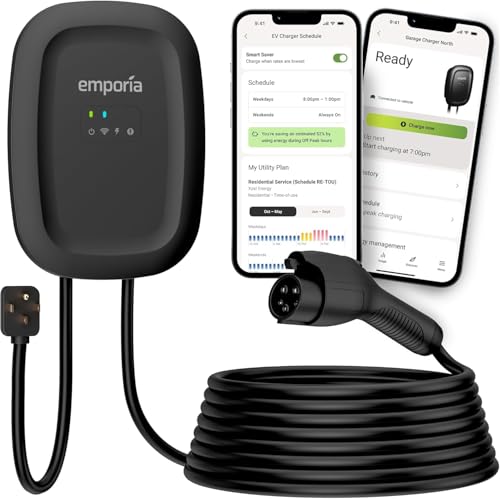
The best ChargePoint Home Flex alternative for most households is the Emporia Level 2: 48 amps hardwired, genuine energy monitoring, and a price well below the Home Flex. It is for a buyer who wants the smarts and the speed but does not need the ChargePoint network. Our budget pick is the Grizzl-E Classic, which deletes the app entirely and costs about half as much again less - the right call if a sealed box that just charges the car is what you actually wanted. Before the alternatives, the honest case for the original, because two of its strengths are not matched anywhere in this registry.
What the Home Flex is known for
ChargePoint's own datasheet gives the Home Flex a selectable output from 16 to 50 amps, a 23-foot cable, and three install configurations - NEMA 14-50 plug-in, NEMA 6-50 plug-in, or hardwired - certified UL/cUL to UL 2594 and UL 2231. The 50-amp setting is unusual: almost nothing else in the mainstream home field goes above 48, which is why our 50-amp chargers page is largely a ChargePoint page. The spread matters more than the top of it - one box that dials from 16 to 50 amps fits whatever circuit an electrician finds room for.
The second strength is the app. ChargePoint runs one of the largest public charging networks in North America, and the same account and app that manage your garage charger also find and pay for public charging. No third-party home charger offers that, and if it is what you want, nothing on this page substitutes for it - buy the Home Flex. Our Home Flex review is where we recommend it properly, and it carries the ENERGY STAR certification its own specification publishes.
Why people look for an alternative
- Price. It sits well above the 48-amp field it competes with, and four picks on this page deliver the same real-world charging speed for less. On a car that accepts 11.5 kW, 48 amps and 50 amps are the same charge.
- You do not want an account. The Home Flex is an app-first product. If you want a charger with no cloud, no login and nothing to drop off the Wi-Fi, that is a different category - see chargers without Wi-Fi.
- The cable, the enclosure or the ceiling. 23 feet is shorter than the 25-foot standard most rivals ship; the enclosure is plastic rather than cast metal; and if you actually need more than 50 amps, the Home Flex cannot go there at all.
| What you want instead | Pick | What it matches on |
|---|
| Same speed, energy data, less money | Emporia Level 2 | 48A hardwired, 25 ft cable |
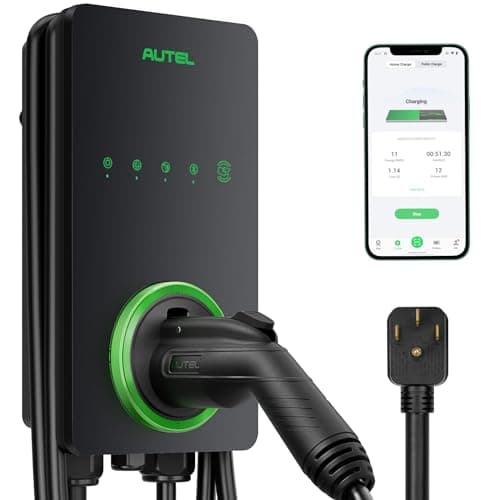
| Smart features with no Wi-Fi dependence | Autel MaxiCharger | 40A, Wi-Fi and Bluetooth |
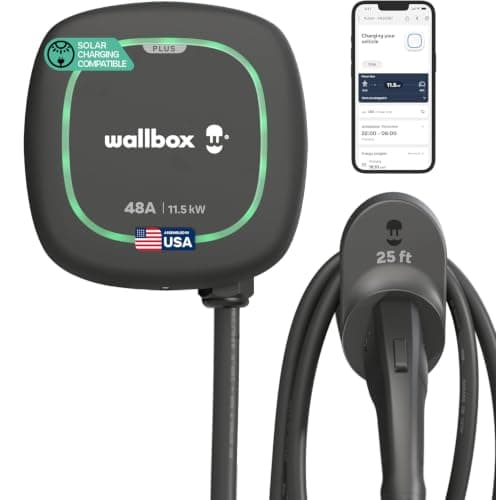
| Certification and ENERGY STAR, smallest body | Wallbox Pulsar Plus | 48A hardwired, UL + ENERGY STAR |
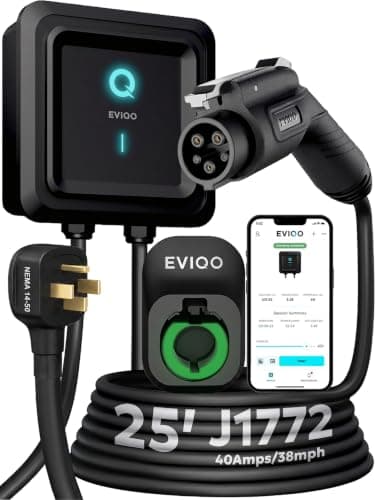
| Double-listed hardware, weatherproof | EVIQO Level 2 | 40A, UL and ETL, IP66 |
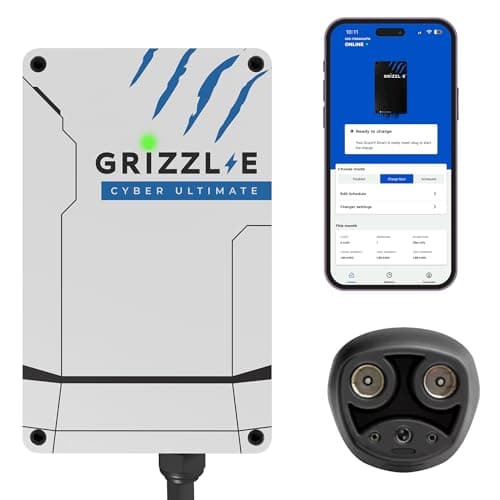
| More than 50 amps | Grizzl-E Ultimate 80A | 16-80A, UL Type 4 metal case |
| No app, lowest price | Grizzl-E Classic | 40A plug-in, UL certified |
The amperage question, settled
This is where most of the money is saved. Tesla publishes an 11.5 kW / 48-amp ceiling for its own cars' onboard chargers and most of the mainstream field sits at or below that, so a 48-amp charger and a 50-amp charger deliver an identical charge on almost every car on the road. The NEC caps a plug-in charger at 40 amps on a 50-amp circuit regardless of what the unit is capable of, which is why four of these picks are 40-amp units: on an existing 14-50 outlet they are the whole of what any charger can do. Our 40 amp vs 48 amp guide has the arithmetic, and what amp charger do I need is the two-minute version.
How we ranked these
- Does it match the Home Flex's real-world speed? 48 amps on a 60-amp circuit, or 40 amps on an existing 14-50 - which is what the Home Flex itself delivers in its plug-in configuration.
- A real safety listing.UL or ETL to UL 2594, matching or exceeding the Home Flex's own listings. Named per pick.
- What it does differently. Energy metering, Bluetooth instead of Wi-Fi-only, a metal enclosure, a longer cable, 80 amps, or no app at all.
- Adjustability.The Home Flex's best feature. Three picks here are genuinely adjustable across circuit sizes.
- Price against the original. Five of six cost less, and we say what the saving gives up.
Every price on this page, including the Home Flex's own where we show it elsewhere, is live from the Amazon Product Advertising API and carries the date the price layer last checked it. We never hardcode a price, so the comparison you are reading is the one that is true today rather than the one that was true when this page was written.
Before you switch: three checks
- Do you use the ChargePoint network? If you charge publicly on ChargePoint and want one app for everything, that is a real feature and no alternative here replaces it. Buy the Home Flex.
- What is the circuit?On an existing 50-amp outlet, every charger is capped at 40 amps and the Home Flex's 50-amp setting is unreachable - which removes its main technical advantage before you spend anything.
- Does a rebate require a specific certification? The Home Flex publishes ENERGY STAR; two picks here do too, and several do not. Check the form first - our ENERGY STAR chargers page covers which units carry it.
What we will not tell you
We have not bench-tested the Home Flex or any alternative, and we do not have a lab. The 16-to-50-amp output, the 23-foot cable, the three install configurations and the UL 2594 and UL 2231 listings are all from ChargePoint's own published datasheet, linked below. Everything about the alternatives is each manufacturer's published specification. We have made no claim about app reliability, firmware history or support quality for any product on this page - those claims circulate widely and we have no data that would let us stand behind one.