Skip to content
The Charge Curve

HUB 02 · Cables & Adapters

Splitvolt Splitter Alternatives

The splitter solves a real problem at a price that buys most of a charger. Here are the four routes around it, ranked, and the one case where the splitter is still the right answer.

By Stephen V.Updated How we compare
#ad

We earn a commission when you buy through our Amazon links, at no extra cost to you. It never affects our rankings, and we say so when the cheaper product is the better buy. How this works.

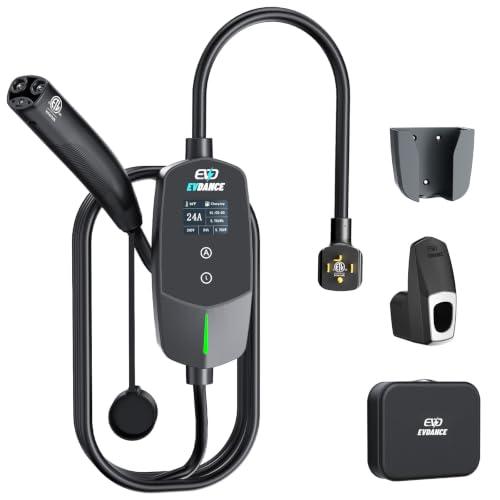
EVDANCE EVDANCE 24A NEMA 14-30 (J1772)

Our top pick

Best Splitvolt Alternative

EVDANCE 24A NEMA 14-30 (J1772)

7.6/10
$215.99Check Price

$269.9920% off

In stock at Amazon as of November 21, 2026.

#ad · we may earn a commission

Best for: Most J1772 cars on a dryer outlet

Built for the dryer outlet rather than adapted to it: a 14-30 plug on the cord and a 24-amp ceiling, so even its highest setting stays inside what a 30-amp circuit may carry continuously.

Read the full review ↓Compare all 6 picks ↓

The short answer

Quick picks

  • EVDANCE EVDANCE 24A NEMA 14-30 (J1772)
    01 EVDANCE 24A NEMA 14-30 (J1772)
    7.6

    Built for the dryer outlet rather than adapted to it: a 14-30 plug on the cord and a 24-amp ceiling, so even its highest setting stays inside what a 30-amp circuit may carry continuously.

    Best for: Most J1772 cars on a dryer outlet

    $215.99Amazon
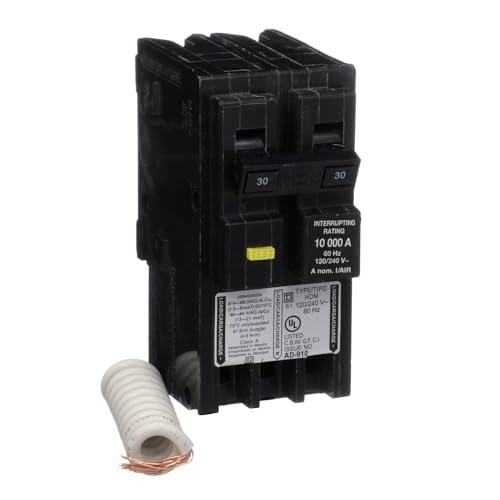
  • Square D Square D Homeline HOM230GFIC (30A GFCI)
    02 Square D Homeline HOM230GFIC (30A GFCI)
    9.0

    The 30-amp version, for the install nobody plans and plenty of people end up with: a Level 2 charger on a dryer-grade 30-amp circuit.

    Best for: A 14-30 dryer-outlet charger install

    $104.99Amazon
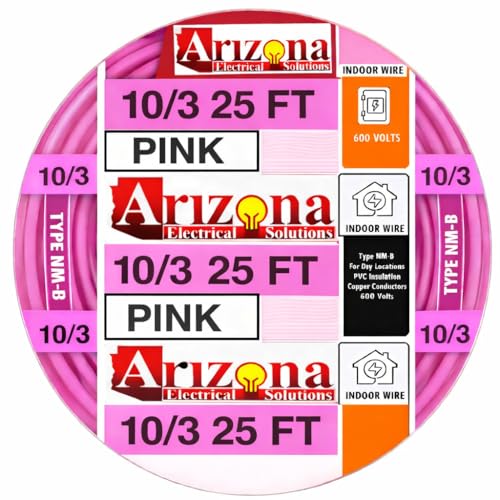
  • Generic 10/3 NM-B Cable With Ground, 25 ft
    03 10/3 NM-B Cable With Ground, 25 ft
    7.8

    Budget pick: the cheapest wire here that still does a real EV job - a 30-amp circuit for a 24-amp charger, which is exactly what a dryer-outlet install already is.

    Best for: A 30-amp circuit for 24-amp charging

    $52.00Amazon
  • EVDANCE EVDANCE 24A NEMA 14-30 (NACS)
    04 EVDANCE 24A NEMA 14-30 (NACS)
    7.6

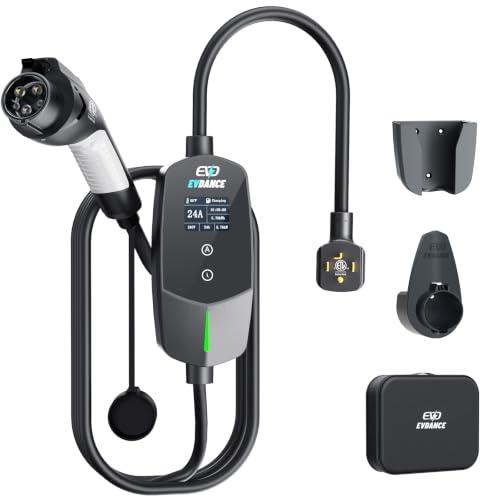
    The same 24-amp dryer-outlet charger with a NACS handle - the straightforward pick for a Tesla, or any newer car with a NACS port, when there is no Mobile Connector to adapt.

    Best for: Tesla and NACS-port cars

    $223.99Amazon
  • Grizzl-E Grizzl-E Mini (40A Portable)
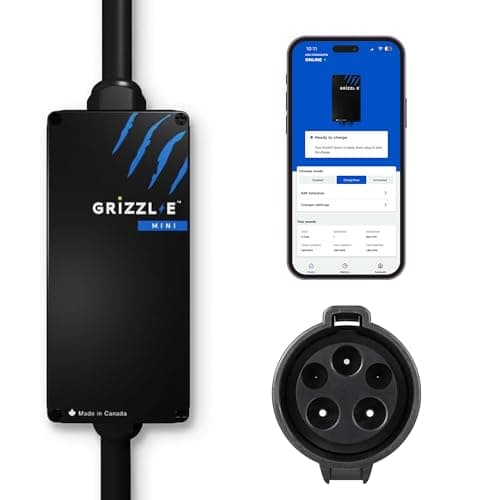
    05 Grizzl-E Mini (40A Portable)
    7.4

    A UL-certified, cast-aluminum 40-amp portable that ships with a NEMA 14-30P adapter - the one to buy if the dryer outlet is a stopgap and a 50-amp circuit is in your future.

    Best for: A dryer outlet now, a 14-50 later

    $349.99Amazon
  • MECMO MECMO 14-30P to 14-50R Adapter
    06 MECMO 14-30P to 14-50R Adapter
    7.8

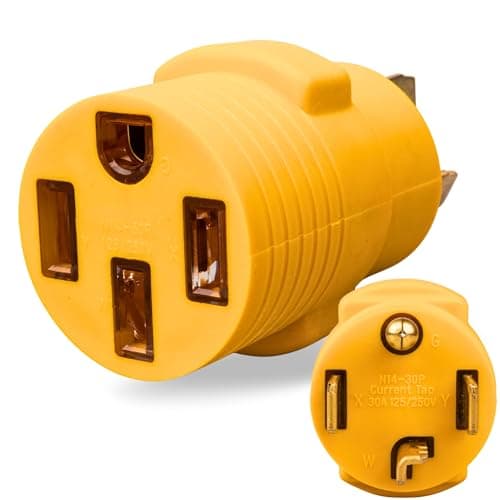
    The cheapest honest one: the only cord here that prints the 24-amp ceiling and the not-for-RV warning in the listing title instead of burying them.

    Best for: The budget 4-prong dryer adapter

    $15.99Amazon

#ad · Live prices from the Amazon Product API, as of November 21, 2026. Where we have no verified live price, we show none — we would rather leave a gap than print a number that has gone stale.

The best alternative to a Splitvolt splitter for most people is simply a charger built for a 30-amp circuit - the EVDANCE 24A NEMA 14-30, whose top setting is already the most a 30-amp circuit may carry, so there is no splitter and no setting to remember. Tesla and other NACS drivers want the NACS version of the same unit. If you would rather stop sharing altogether, the real answer is a dedicated 30-amp circuit, which is a Square D HOM230GFIC two-pole GFCI breaker plus a roll of 10/3 cable and an afternoon. And our budget pick is the MECMO 14-30 to 14-50 plug adapter, which costs almost nothing and comes with conditions we spell out below.

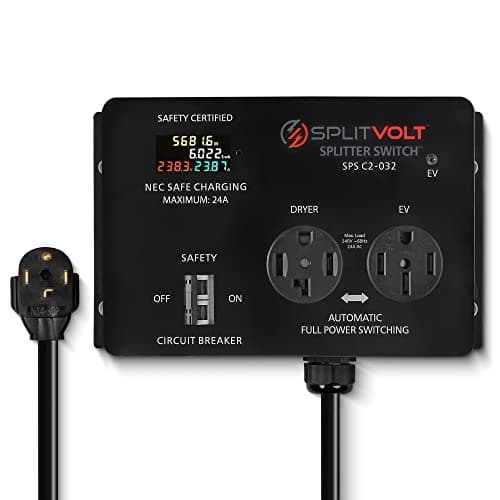
The Splitvolt splitter switch exists because of a genuinely common situation: the only 240-volt outlet in the house is the dryer's, and you would like to charge a car without giving up laundry. It is a cETLus-listed device that takes the 14-30 dryer plug and gives you back a 14-30 for the dryer and a 14-50 for the car, switching automatically so only one draws at a time. That is a real engineering answer to a real problem, and it is also one of the more expensive single parts in home charging - more than some complete chargers on this site.

So the honest question is not "what is cheaper than a Splitvolt". It is "which of the four ways around this problem fits your house". There are four, they cost wildly different amounts, and only one of them is a direct substitute.

The four routes, side by side

RouteWhat you buyThe catch
A charger built for 30 ampsA 14-30 charger with a 24-amp ceilingYou still unplug the dryer to charge, or add a second outlet
A dedicated 30-amp circuitA two-pole GFCI breaker and 10/3 cablePanel space, a permit in most places, and real work
An upgrade-path chargerAn adjustable unit with a 14-30 adapterCosts more now; pays off only if you upgrade the circuit later
A plug adapterA 14-30P to 14-50R cordNothing stops you setting the charger too high - see below
The Splitvolt itselfAn automatic transfer splitterThe price - but it is the only one that truly shares the circuit

That last row is not a throwaway. If you genuinely cannot add a circuit, genuinely cannot unplug the dryer, and want the switching handled for you, the splitter is the product that does that and none of the alternatives here do. We rank it on best EV charger outlet adapters and we are not going to pretend an adapter cord is the same device.

Why 24 amps keeps coming up

Every route on this page lands on the same number, and it is worth understanding why. Under NEC Article 625 an EV charger is a continuous load, so the circuit must be rated at 125 percent of the charger - which is the same as saying the charger may draw no more than 80 percent of the breaker. A dryer outlet is on a 30-amp breaker. Eighty percent of 30 is 24. So 24 amps, or about 5.8 kW, is the ceiling on a dryer circuit no matter what device you put in the middle, and it is also why the wire for such a circuit is 10 AWG copper, rated 30 amps in the column NM-B cable is held to.

At 24 amps you are adding roughly 18 to 20 miles of range an hour, so an overnight window is comfortably more than the average US driver covers in a day. A dryer circuit is a real charging solution, not a stopgap - it is just a slower one than a 50-amp circuit. Can I use a dryer outlet for EV charging is the full version, and sharing a dryer circuit covers doing it safely.

The plug adapter route, honestly

A 14-30P to 14-50R adapter cord costs a few dollars and will physically let a 40-amp charger plug into a 30-amp circuit. That is the problem with it. Nothing in the adapter limits current; the only thing standing between the setup and an overloaded 30-amp circuit is you remembering to dial the charger down to 24 amps and nobody ever resetting it. Some chargers forget their setting after a power cut.

We rank the adapter as the budget pick because it is genuinely the cheapest route and plenty of people run it correctly for years. But we would not call it the best one, and if the charger you own cannot be set to 24 amps and hold that setting, do not use it. Buy a charger built for the circuit instead - that is the top pick on this page precisely because its maximum IS the circuit's maximum.

The route we would actually take

If the panel has two spare slots and the laundry is anywhere near it, run a dedicated 30-amp circuit. The parts are a two-pole GFCI breaker and a short roll of 10/3 cable - both ranked above, both cheap - and you end up with a charger circuit that does not involve the dryer at all, which removes the entire problem this page is about. It is also the only route that leaves you somewhere to go later: the same conduit path and the same wall position take a 50-amp circuit when you want one.

Whether you can do that work yourself depends on where you live, and a charger circuit is a permitted, inspected job in most of the US - can I install it myself and permits and inspection are the two to read before you buy a breaker. If the answer is an electrician, get the quote before you choose a route, because the labor difference between these options is larger than the parts difference.

Every price above is live, read from Amazon's Product Advertising API and stamped with the date our price layer last checked it. Nothing on this page is a price typed into prose - and on a page whose whole argument is relative cost, that matters more than usual.

In detail

The picks, in full

01
EVDANCE EVDANCE 24A NEMA 14-30 (J1772)

Most J1772 cars on a dryer outlet

EVDANCE 24A NEMA 14-30 (J1772)

24A max / 5.76kWJ1772NEMA 14-30 plug25ft, delay timer
7.6/10

Built for the dryer outlet rather than adapted to it: a 14-30 plug on the cord and a 24-amp ceiling, so even its highest setting stays inside what a 30-amp circuit may carry continuously.

Charge speed
6
Build & weather
8
Smart features
6
Cable & connector
9
Value
9

Pros

  • Tops out at 24 amps - the continuous limit of a 30-amp circuit - so there is no higher setting to get wrong
  • Adjustable from 10 to 24 amps for older or doubtful wiring, and a 1-12 hour delay start shifts charging to off-peak hours without an app
  • EVDANCE's product page lists it as ETL Listed to UL 2594 / UL 2251, with an IP66 control box rated from -22 to 122 degrees F
  • 25 feet of total cable reaches from a laundry-room outlet to a parking spot

Cons

  • 24 amps is its ceiling for good - if you later add a 50-amp circuit, this charger cannot use the extra capacity
  • No Wi-Fi app or charging history - the on-screen readout is the whole of the monitoring
  • 1-year warranty, and the plug end is not waterproof; the listing says to keep the connector capped when idle

Don't buy this if…

…you drive a Tesla or another NACS-port car (the NACS version is the one to buy), or you expect to add a 50-amp circuit soon - then a 40-amp charger you can dial down today, like the Grizzl-E Mini, is the better long-term buy.

$215.99View on Amazon

$269.9920% off

Price as of November 21, 2026. Prices change — Amazon's is the one that counts.

#ad · we may earn a commission from this link to EVDANCE 24A NEMA 14-30 (J1772)

02
Square D Square D Homeline HOM230GFIC (30A GFCI)

A 14-30 dryer-outlet charger install

Square D Homeline HOM230GFIC (30A GFCI)

30A · 2-poleGFCI · 120/240VHomeline busProtects a 14-30 outlet
9.0/10

The 30-amp version, for the install nobody plans and plenty of people end up with: a Level 2 charger on a dryer-grade 30-amp circuit.

Code fit
10
Build quality
9
Panel fit
8
Value
9

Pros

  • Matches the circuit a NEMA 14-30 receptacle actually runs on, so a 24-amp charger install gets its GFCI protection without oversizing the breaker
  • The right answer when an electrician adds a second 14-30 receptacle for charging rather than sharing the laundry one
  • Cheaper than the 50-amp GFCI breakers, because the amperage is lower - the only place on this page where a smaller circuit saves you money

Cons

  • A 30-amp circuit caps charging at 24 amps / 5.8 kW no matter which charger you hang on it, so this is the slow lane by design
  • Homeline bus only, and it does not help at all if your dryer circuit is an old three-wire NEMA 10-30 with no equipment ground

Don't buy this if…

…you are putting in a new circuit from scratch. If the panel and the wire run are being opened up anyway, a 50-amp circuit and a 40-amp charger cost little more and charge nearly twice as fast.

$104.99View on Amazon

Price as of November 21, 2026. Prices change — Amazon's is the one that counts.

#ad · we may earn a commission from this link to Square D Homeline HOM230GFIC (30A GFCI)

03
Generic 10/3 NM-B Cable With Ground, 25 ft

A 30-amp circuit for 24-amp charging

10/3 NM-B Cable With Ground, 25 ft

10 AWG copper3 conductors + ground25 ft roll30A at 60C (NEC 310.16)
7.8/10

Budget pick: the cheapest wire here that still does a real EV job - a 30-amp circuit for a 24-amp charger, which is exactly what a dryer-outlet install already is.

Ampacity headroom
4
Install difficulty
10
Length fit
7
Value
10

Pros

  • Budget pick: 10 AWG copper is rated 30 amps at 60 degrees C, which is a 30-amp breaker and 24 amps of continuous charging
  • Easy enough to pull and terminate that a 30-amp circuit is the realistic first EV circuit for a competent homeowner
  • A 25-foot roll is the right size for the short run most laundry-adjacent installs need

Cons

  • 24 amps is 5.8 kW - roughly half the speed of a 48-amp charger, and no setting changes that
  • Only worth running at all if the panel is genuinely close; the wire saving disappears on a long run

Don't buy this if…

…you have room in the panel for a 50-amp breaker. The wire is the cheap part of the job and the difference between 24 and 40 amps is permanent.

$52.00View on Amazon

Price as of November 21, 2026. Prices change — Amazon's is the one that counts.

#ad · we may earn a commission from this link to 10/3 NM-B Cable With Ground, 25 ft

04
EVDANCE EVDANCE 24A NEMA 14-30 (NACS)

Tesla and NACS-port cars

EVDANCE 24A NEMA 14-30 (NACS)

24A max / 5.76kWNACS (Tesla)NEMA 14-30 plug25ft, port-open button
7.6/10

The same 24-amp dryer-outlet charger with a NACS handle - the straightforward pick for a Tesla, or any newer car with a NACS port, when there is no Mobile Connector to adapt.

Charge speed
6
Build & weather
8
Smart features
6
Cable & connector
9
Value
9

Pros

  • Native NACS connector, so no adapter sits between the handle and a Tesla or NACS-port car
  • A button on the handle opens a Tesla charge port door, the way Tesla's own connectors do
  • Same 24-amp ceiling, adjustable current, delay start, IP66 control box and 25-foot cable as the J1772 version

Cons

  • Will not charge a J1772 car without a separate NACS-to-J1772 adapter - a poor fit for a mixed-connector household
  • No Wi-Fi app, and a 1-year warranty
  • If you already own a Tesla Mobile Connector, a 14-30 adapter for it is a far cheaper route to the same 24 amps

Don't buy this if…

…you already have a Tesla Mobile Connector. A NEMA 14-30 adapter made for it costs a fraction of this charger and does the same job on the same outlet.

$223.99View on Amazon

$279.9920% off

Price as of November 21, 2026. Prices change — Amazon's is the one that counts.

#ad · we may earn a commission from this link to EVDANCE 24A NEMA 14-30 (NACS)

05
Grizzl-E Grizzl-E Mini (40A Portable)

A dryer outlet now, a 14-50 later

Grizzl-E Mini (40A Portable)

7-40A adjustableJ177214-50 plug + 14-30P adapterUL certified, 3-yr warranty
7.4/10

A UL-certified, cast-aluminum 40-amp portable that ships with a NEMA 14-30P adapter - the one to buy if the dryer outlet is a stopgap and a 50-amp circuit is in your future.

Charge speed
7
Build & weather
10
Smart features
7
Cable & connector
8
Value
5

Pros

  • Grizzl-E states the Mini is UL and cUL certified - the strongest safety-listing story on this page
  • A native 14-50 plug plus four adapters (NEMA 14-30P, 6-50P, TT-30P and 5-15P), so it grows into a 40-amp circuit instead of being replaced
  • Cast-aluminum NEMA 4X enclosure and built-in GFCI per the listing, and a 3-year replacement warranty against the 1-year norm of the budget units

Cons

  • You must set it to 24 amps yourself before using the 14-30 adapter - its maximum is set with internal DIP switches or the app, and Grizzl-E does not say the adapter limits the current for you
  • Costs far more than the 24-amp units here, for speed a 30-amp circuit cannot deliver
  • Its app features are local - the listing says you connect within range of the charger, not from anywhere

Don't buy this if…

…the dryer outlet is your permanent answer. On a 30-amp circuit it charges no faster than the EVDANCE, and the extra money buys headroom you may never plug into.

$349.99View on Amazon

$479.9927% off

Price as of November 21, 2026. Prices change — Amazon's is the one that counts.

#ad · we may earn a commission from this link to Grizzl-E Mini (40A Portable)

06
MECMO MECMO 14-30P to 14-50R Adapter

The budget 4-prong dryer adapter

MECMO 14-30P to 14-50R Adapter

14-30P to 14-50RMax 24A / 240V stated4-prong, groundedNot for RV use
7.8/10

The cheapest honest one: the only cord here that prints the 24-amp ceiling and the not-for-RV warning in the listing title instead of burying them.

Safety listing
6
Build quality
7
Fit
9
Value
9

Pros

  • States Max 24Amp 240V on the listing itself, which is the number that keeps a 30-amp breaker alive - most sellers leave the buyer to work that out
  • Explicitly marked not for 3-prong dryers or RVs, so it is hard to buy the wrong one by accident
  • Usually the lowest-priced 14-30 adapter of the group
  • MECMO also makes the J1772 holster we rank, so the brand is a known quantity in this category

Cons

  • No UL or ETL listing is stated on the listing
  • Conductor gauge is not published, so the heavier-cord claim goes to the Nilight
  • The 24-amp limit is printed, not enforced - you still have to set it in the charger

Don't buy this if…

…you want a stated safety listing on the cord itself. The ACKING 10-30 cord is ETL Listed and this one is not, which on a part carrying 5.8 kW is worth a few dollars.

$15.99View on Amazon

$19.9920% off

Price as of November 21, 2026. Prices change — Amazon's is the one that counts.

#ad · we may earn a commission from this link to MECMO 14-30P to 14-50R Adapter

Before you pick a route

  1. Look at the dryer outlet. A four-prong NEMA 14-30 and a three-prong NEMA 10-30 are different outlets with different adapters, and the older 10-30 has no neutral. 14-30 vs 14-50 and outlet adapters cover both.
  2. Check the breaker, not the outlet. The breaker feeding that outlet is what sets your 24-amp ceiling. If somebody has put a 40-amp breaker on a dryer circuit at some point, you have a different and more urgent problem.
  3. Count your panel slots. Two adjacent spaces for a two-pole breaker is what the dedicated-circuit route needs. Load calculation decides whether the service can carry it.
  4. Decide whether the charger is permanent. If you expect a 50-amp circuit within a couple of years, buy the adjustable upgrade-path unit now and set it to 24 amps. If 30 amps is your ceiling forever, buy the charger built for 30 amps and save the money.

When the Splitvolt is still the right buy

Three cases, and we will say them plainly rather than pretend this page beats it every time. If you rent and cannot add a circuit. If the panel is full and a panel upgrade is out of reach. And if the dryer and the car genuinely both need to be usable without anyone walking to the laundry room to swap a plug. In those cases the automatic transfer is the product and the price is the price.

What we have not done

We have not bench-tested any product on this page and we have no lab. Amperage, plug type, cable length, certification and conductor size are the manufacturers' and listings' own published figures, and the 80-percent arithmetic and the wire ampacity are the NEC's, sourced below. The scores are judgments from documented research against the rubric on our methodology page, not measurements. We make no claim about the reliability of the Splitvolt or of any alternative to it.
The gear

Recommended gear for this guide

The products this guide refers to, with prices pulled live from Amazon and dated on each card.

  • Splitvolt Splitvolt 14-30/14-50 Splitter Switch

    Sharing one outlet with the dryer

    Splitvolt 14-30/14-50 Splitter Switch

    The listed way to keep the dryer and charge the car from one 14-30 outlet: it switches the circuit's power automatically between a dryer socket and an EV socket, behind its own 24-amp breaker.

#ad · As an Amazon Associate we earn from qualifying purchases.

How we picked

We do not run a testing lab

We compiled published specifications from manufacturer manuals and spec sheets, verified the safety listings (UL / ETL), computed the real running and installation costs, checked the wiring math against the NEC continuous-load rule, and read aggregated owner reviews — then scored each product against a published rubric. The scores are judgments from documented research — they are not bench measurements, because we do not have a test lab and we are not going to pretend we do. Every spec and cost figure is cited in Sources.

Questions

Frequently asked

What is a cheaper alternative to a Splitvolt splitter?

A charger built for a 30-amp circuit, which costs less than the splitter and needs no switching device at all because its maximum setting is already the circuit's maximum. The cheapest alternative of any kind is a 14-30 to 14-50 plug adapter, but that relies on you setting the charger to 24 amps and it staying there.

Can I use a plug adapter instead of a Splitvolt?

Physically yes, and plenty of people do. The risk is that nothing in the adapter limits current - a 40-amp charger plugged into a 30-amp circuit through an adapter will try to draw 40 amps unless you dial it down and it holds the setting. If your charger cannot be set to 24 amps reliably, do not do it.

How fast can I charge on a dryer circuit?

24 amps at 240 volts, which is about 5.8 kW, or roughly 18 to 20 miles of range per hour on a typical EV. That is the ceiling on a 30-amp circuit regardless of which device you use, because a charger may draw no more than 80 percent of its breaker.

Is it cheaper to add a dedicated 30-amp circuit?

In parts, usually yes - a two-pole GFCI breaker and a short roll of 10/3 cable cost less than the splitter. In total, it depends entirely on labor and on whether your panel has the space and capacity. Get a quote before you decide, because the labor is the variable, not the parts.

Does the Splitvolt work with a 10-30 three-prong dryer outlet?

The splitter we rank is the 14-30 version, for the modern four-prong outlet. If your laundry has the older three-prong 10-30, the adapter route and the dedicated-circuit route are the ones open to you - outlet adapters ranks the 10-30 options.

Keep reading

More in this section

More Cables & Adapters

All cables & adapters →

Receipts

Sources

We do not run a testing lab, and we do not pretend to. Where a measured number came from someone else's lab, we name them and link them. Where we could not verify something, we say so on the page rather than quietly leaving it out. Read our full method.