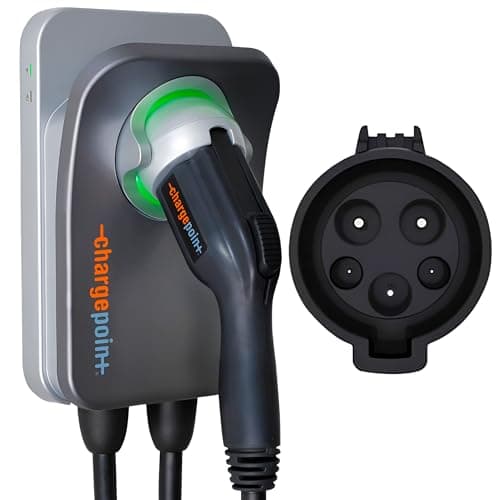
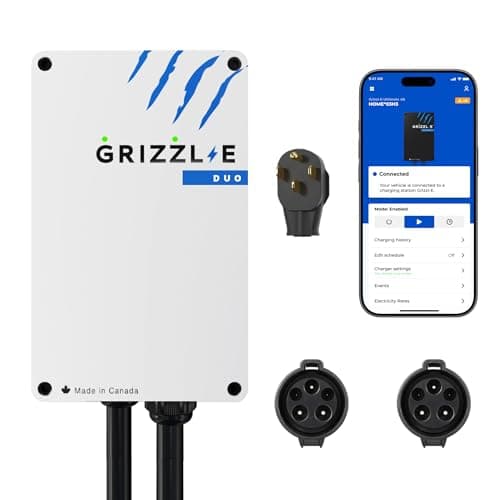
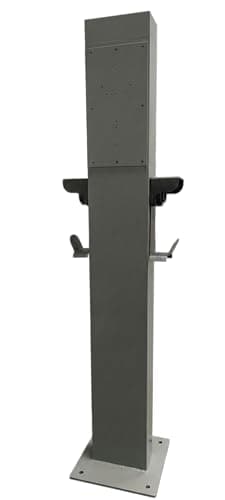
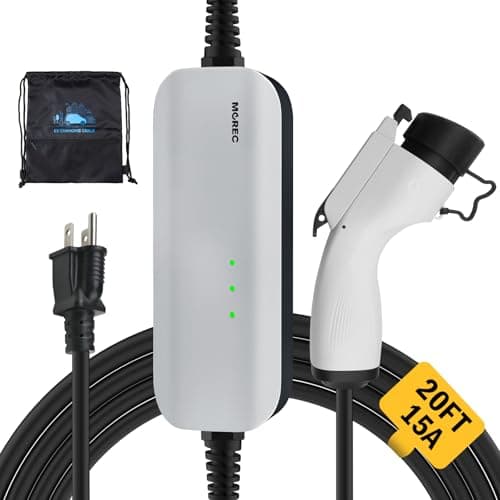
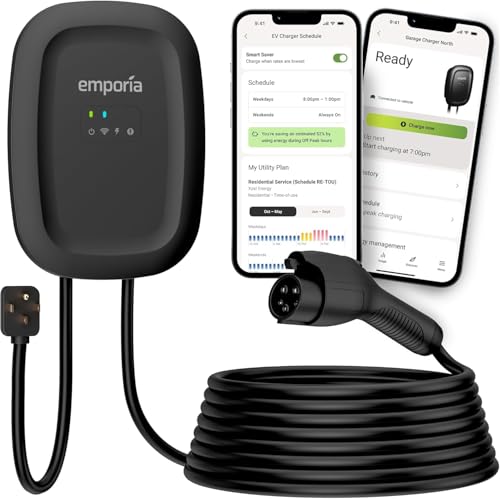
For a condo with a deeded space, buy the Emporia Level 2. The thing that makes a condo install different is that somebody - the HOA, the association, or you - needs to know how many kilowatt-hours went into your car, and the Emporia reports that in the app, which is what turns a reimbursement argument into a number. The ChargePoint Home Flex is the pick when the association caps your output, because it dials from 16 to 50 amps so one unit fits whatever they approve. If two deeded spaces share one circuit, the Grizzl-E Duo saves you a second circuit entirely. If there is no wall to mount on, the Inteset dual pedestal is the answer. And our budget pick is the Morec Level 1 cord - which, if your space has a 120-volt outlet, needs no approval at all.
A condo is not an apartment, and that distinction is the whole page. A renter cannot install, so a renter buys a portable they unplug when the lease ends - that is our best chargers for apartments and renters page and it is a different shopping list. A condo owner typically owns a deeded parking space and can install permanent equipment, subject to the association. What they do not own is the electrical service feeding the garage, the common-area wall the charger would hang on, or the decision to allow it.
The three problems a condo install actually has
- Whose electricity is it. If your space is fed from a house meter, every kilowatt-hour you charge is billed to the association, and that is the single most common reason a request gets refused. A charger that reports its own consumption turns that into a solvable billing question rather than an argument. This is why energy monitoring is the first criterion on this page and not a feature bullet.
- How much current you may have. A shared garage may have very little spare capacity, and an association that will approve 16 or 24 amps may refuse 48. An adjustable charger lets you accept whatever is offered without rebuying - and a load-managed one can sometimes make a circuit work that otherwise would not.
- Where it physically mounts.Plenty of condo garages have a pillar, a chain-link divider or nothing at all where a wall should be. A pedestal turns a parking space into a mounting point without touching common-area structure, which is often easier to get approved than drilling someone else's wall.
Which one is yours
| Your situation | Pick | Why |
|---|
| Fed from a house meter; you need to reimburse the HOA | Emporia Level 2 | Reports kWh in the app, so the bill is a number not a dispute |
| The association caps your amperage | ChargePoint Home Flex | Adjustable 16 to 50 A, so one unit fits any approval |
| Two deeded spaces, one circuit | Grizzl-E Duo | Two cables sharing 40 A - one circuit instead of two |
| No wall, or a wall you are not allowed to drill | Inteset dual pedestal | Holds one or two chargers on its own post |
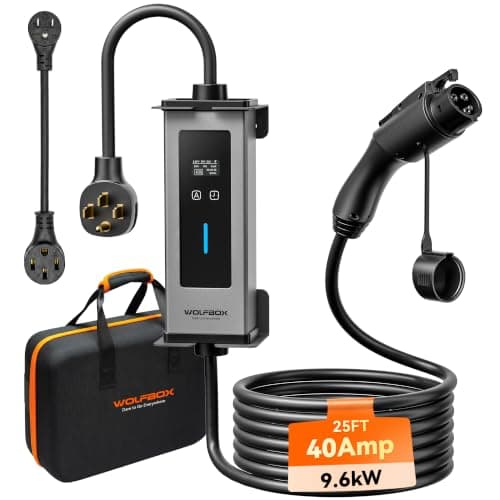
| Approval pending, or you may move spaces | WOLFBOX 40A Portable | Level 2 on a 14-50, Level 1 on a wall socket, comes with you |
| There is already a 120-volt outlet at your space | Morec Level 1 | Budget pick: often needs no approval and no install at all |
Start with the right-to-charge question, not the charger
A growing number of US states have right-to-charge statutes that limit an association's ability to refuse a reasonable request from an owner with a deeded space, typically on the condition that the owner pays for the installation, the electricity and the insurance. Those statutes vary enormously in what they cover and we are not going to summarise yours for you. What they change is the shape of the conversation: you are usually asking about conditions, not permission.
Our condo and HOA EV charging guide is the long version, including what to put in the written request and the three objections that come up every time. Charging at an apartment and how to ask your landlord cover the renter versions.
The submetering problem, and the cheap way through it
If the garage is on a house meter, you need an agreed way to pay for what you use. A full submeter installed by the association is the clean answer and it is also a capital project nobody wants to fund. The practical shortcut, which associations accept more often than people expect, is a charger that logs its own kilowatt-hours plus a standing agreement to reimburse at the building's blended rate. That is a monthly number from an app against a rate on a bill, and it costs nothing to set up.
Two of our picks report consumption directly. If you want to work out what the number will be before you negotiate, cost to charge at home has the arithmetic and do I need a separate meter covers the metering options properly.
How we picked these six
- Energy reporting first. Ranked above raw speed, because in a condo the kWh number is what gets the install approved and keeps it approved.
- Adjustable output. Every wall pick here can be set below its maximum, so an approval for less current does not mean buying a different charger.
- A route for a garage with no wall. One pedestal pick, because this is a real and common condo problem that no wall charger solves.
- A no-install fallback. One portable and one 120-volt cord, for the months while approval is in progress and for the case where it is refused.
- A live price on the refresh behind this page.Every pick returned a live price from Amazon's Product Advertising API.
Every price above is live, read from Amazon's Product Advertising API and stamped with the date our price layer last checked it.
Four things to settle before you buy anything
- Find out which meter your space is on. Your own, or the house meter. It determines whether this is a wiring project or a billing negotiation, and everything else follows from it.
- Get the association's conditions in writing. Amperage cap, who owns the equipment, who insures it, what happens when you sell. A verbal yes from a board member is not a permission you can rely on in two years.
- Ask about the garage's spare capacity, not just your circuit. If three owners install 48-amp chargers on a service that cannot carry them, the fourth request gets refused and the first three may get revisited. Load-balancing chargers are the answer worth proposing.
- Check who can actually do the work. Many associations require their own approved contractor for anything touching common-area structure, which changes the quote and the timeline.
When a permanent charger is the wrong purchase
Three cases. If you are mid-approval, buy the portable and start charging now - it works on whatever outlet exists and it is not wasted either way. If you rent your condo out, a plug-in unit on a 14-50 is far easier to hand over than a hardwired one, and our chargers for a rental page is the better list. And if the association is a hard no, a 120-volt outlet at your space plus a certified cord is often enough for a condo-dweller's mileage, and needs nobody's signature.
What we have not done
We have not tested any charger here and we have no lab. Amperage, connector, cable length, certification and app capability are the manufacturers' published claims. We have not read your association's governing documents or your state's right-to-charge statute, and nothing on this page is legal advice - the statutes vary widely and the one that matters is yours. The scores are judgments from documented research against the rubric on our methodology page, not measurements.